

Bespoke Access Platform Compliance Explained
Trusted by















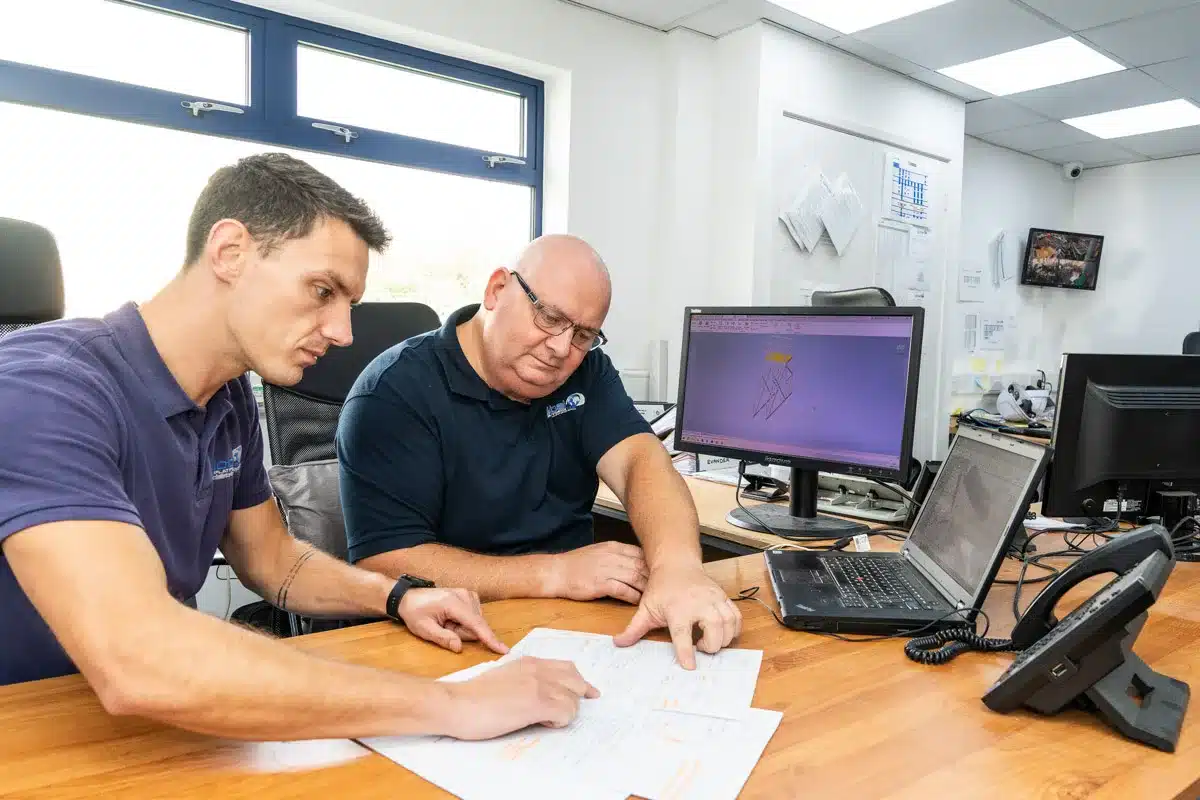
Whether it’s a rail depot, an aircraft hangar or a vehicle maintenance bay, every bespoke platform we design and build is held to the same standards. Here’s what that actually means: the standards it’s designed to, the documentation you receive, and why that matters when an audit lands on your desk.
Why Compliance Matters More on a Bespoke Platform
An off-the-shelf platform is designed once and sold many times over. A bespoke platform is designed around your specific site, vehicle or airframe, which means the compliance work, load calculations, clash-checked drawings, site-specific risk assessment, has to happen fresh for every build. That’s more work upfront, but it’s what makes the platform genuinely right for your environment rather than close enough.
The Standards We Design and Build To
Our bespoke access platforms are designed and manufactured in accordance with the relevant British and European standards, including BS EN ISO 14122 (safety of machinery, covering permanent means of access such as working platforms, walkways, stairs and guard-rails), BS EN 131 (portable ladders and access equipment) and EN 14183 (step stools and related access steps). These sit alongside UK Work at Height Regulations 2005 (WAHR) best practice, covering stability, guarding, slip resistance, load capacity and safe design.
What You Get With Every Platform
Compliance isn’t just a design principle, it’s documentation you can hand to an auditor. Every platform comes with official CAD drawings and load calculations, a site-specific Risk Assessment Method Statement (RAMS) covering your tasks, access routes and keep-out zones, handover tags and a defined inspection schedule, and a QR-coded user manual and maintenance instructions for quick, paperless access on site. Components are serialised for full traceability, so if a question ever comes up about a specific platform, there’s a clear answer.
LOLER and PUWER, Where They Apply
The Lifting Operations and Lifting Equipment Regulations 1998 (LOLER) and the Provision and Use of Work Equipment Regulations 1998 (PUWER) are embedded into the design and documentation of a platform where they’re relevant to its use, with handover tags and an inspection schedule set up around them from day one. That’s the difference between compliance being bolted on after delivery and being part of the build from the first drawing.
Built-In Safety Features as Standard
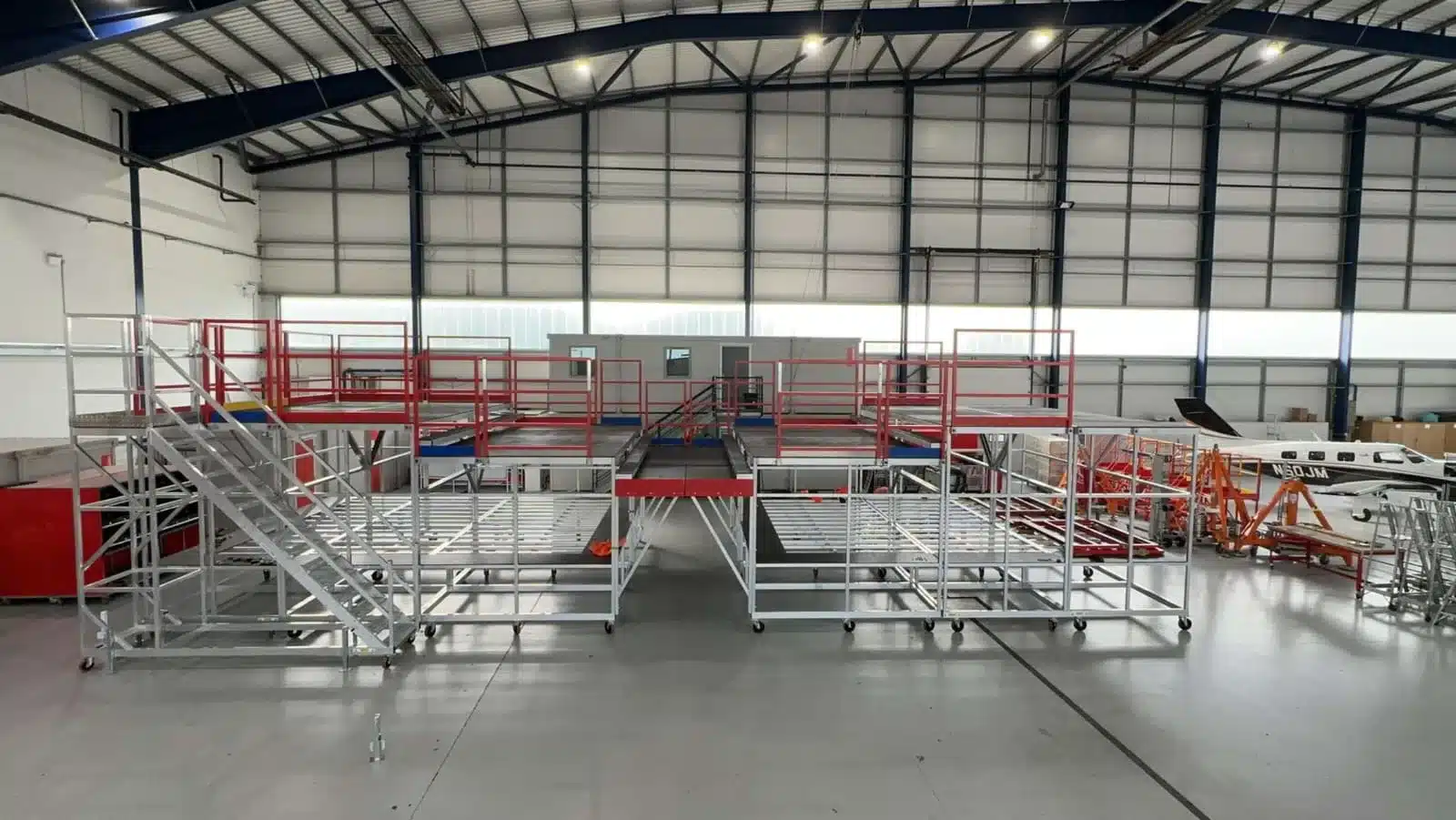
Every platform is built with anti-slip treads, self-closing gates, positive locking castors, mid-rails, toe-boards, high-visibility edges and compliant step geometry as standard, not as an upgrade. Material is matched to the environment: aluminium for lightweight mobility, coated mild steel for superior rigidity, or GRP for non-conductive applications where that matters, such as avionics, electrical or utility environments.
The Same Standard, Applied Across Every Sector We Work In
The standards and documentation stay the same, but what they look like on site changes with the environment. In a rail depot, that means platforms built around pit boards, train door and roof access, and windscreen and nose cone work. In an aircraft hangar or line station, it means anti-FOD (Foreign Object Debris) housekeeping and non-sparking, non-conductive materials around avionics and fuel zones, alongside platforms for wings, fuselage, engines and cargo doors. In a vehicle depot, it means platforms built around buses and coaches, HGVs and trailers, or emergency and utility fleets. Different access problem, same standard underneath it.
What This Means for Your Audits
When your platform’s documentation already covers the standards it’s built to, its load calculations, its RAMS and its inspection schedule, an audit becomes a case of producing the paperwork rather than chasing it down. That’s the point of building compliance in from the survey stage rather than treating it as a box to tick at handover.
Getting a Compliant Platform Specified for Your Site
Whatever sector you’re in, rail, aerospace, vehicle maintenance or anything else that needs access built around a specific site or asset, get in touch and we’ll survey it and return a concept, lead time and documentation package built around what your audits actually need.
Need access built around your job?
We survey, design, fabricate and install bespoke access platforms across the UK.
Frequently Asked Questions
What standards do your bespoke access platforms comply with?
What documentation do I get with a platform?
Every platform comes with CAD drawings, load calculations, a site-specific RAMS, handover tags, a defined inspection schedule and a QR-coded user manual, with components serialised for full traceability.
Does LOLER apply to a bespoke access platform?
Where relevant to how the platform is used, LOLER and PUWER requirements are built into the design and documentation from the outset, not added afterwards.
Is the compliance approach different for rail, aerospace or vehicle platforms?
The standards and documentation are the same across every sector. What changes is how they’re applied on site, for example anti-FOD housekeeping and non-sparking materials in aviation environments, or pit board and sill-level access in rail depots.
How often should a bespoke platform be inspected?
It should be inspected at suitable intervals under PUWER, based on how heavily it is used and the conditions it works in. Daily pre-use checks by the user are good practice too.
Who is responsible for a platform once it is installed?
The employer or duty holder who provides it for use is responsible for keeping it maintained, inspected and used correctly. We can help with inspections and records.
Can a platform be modified later?
Yes, but any modification should be designed and checked properly so the platform still meets its original standards. We handle modifications to platforms we have built.
Do you test platforms before they leave the workshop?
Platforms are checked before dispatch and come with documentation covering their design and safe use, so you have the records you need from day one.
Recent Posts

Vehicle Access Platforms by Vehicle Type: HGVs, Buses, Refuse and Emergency Fleets
HGV cab roofs, bus roof equipment, refuse hoppers and fire appliances each need different access. We explain how we match the platform to the vehicle.
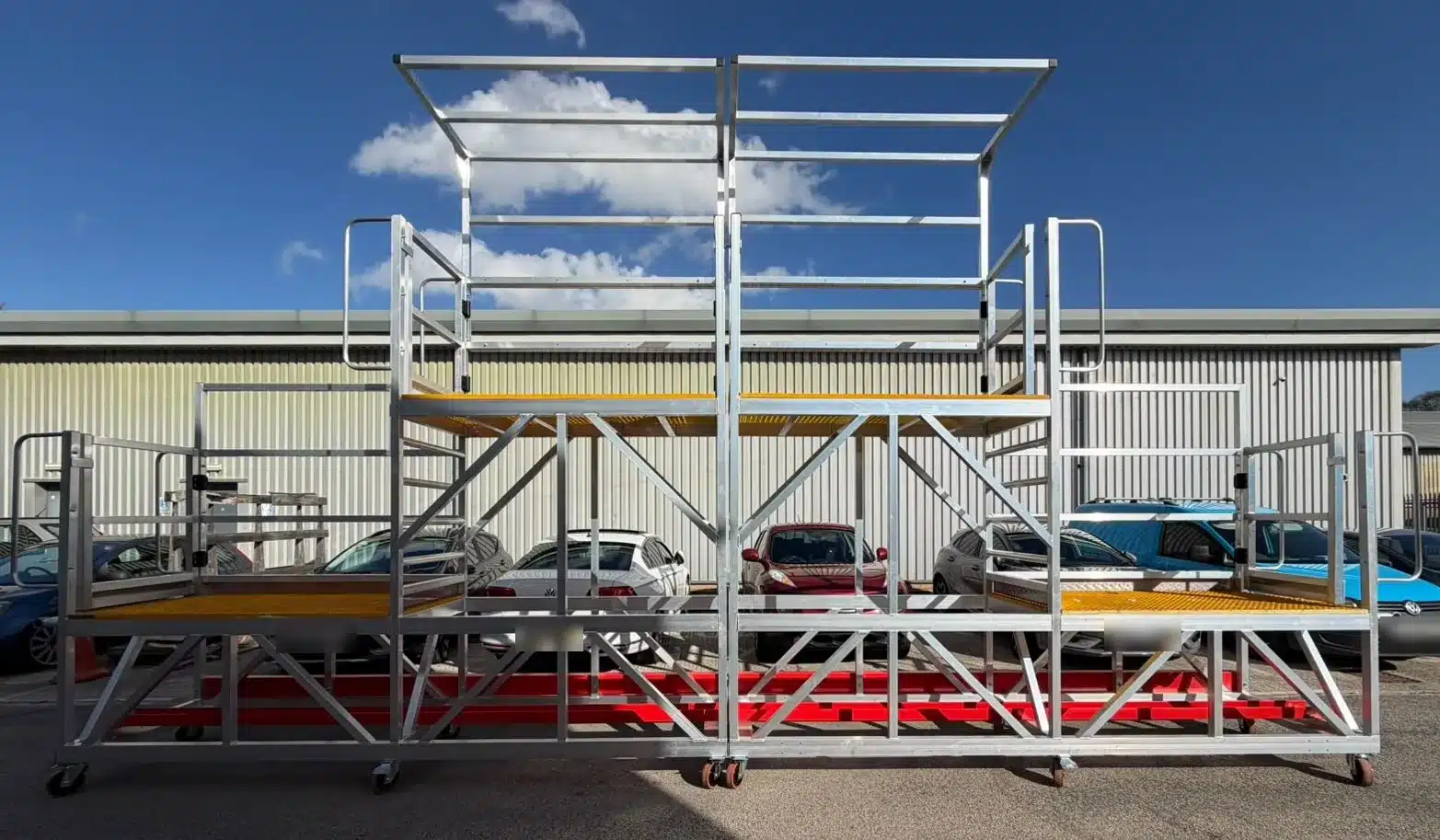
Train Inspection Staging for Rail Depots with Tight Clearances
How we designed inspection staging for a rail depot with about a metre between the roads, and what it means for your next bespoke platform.
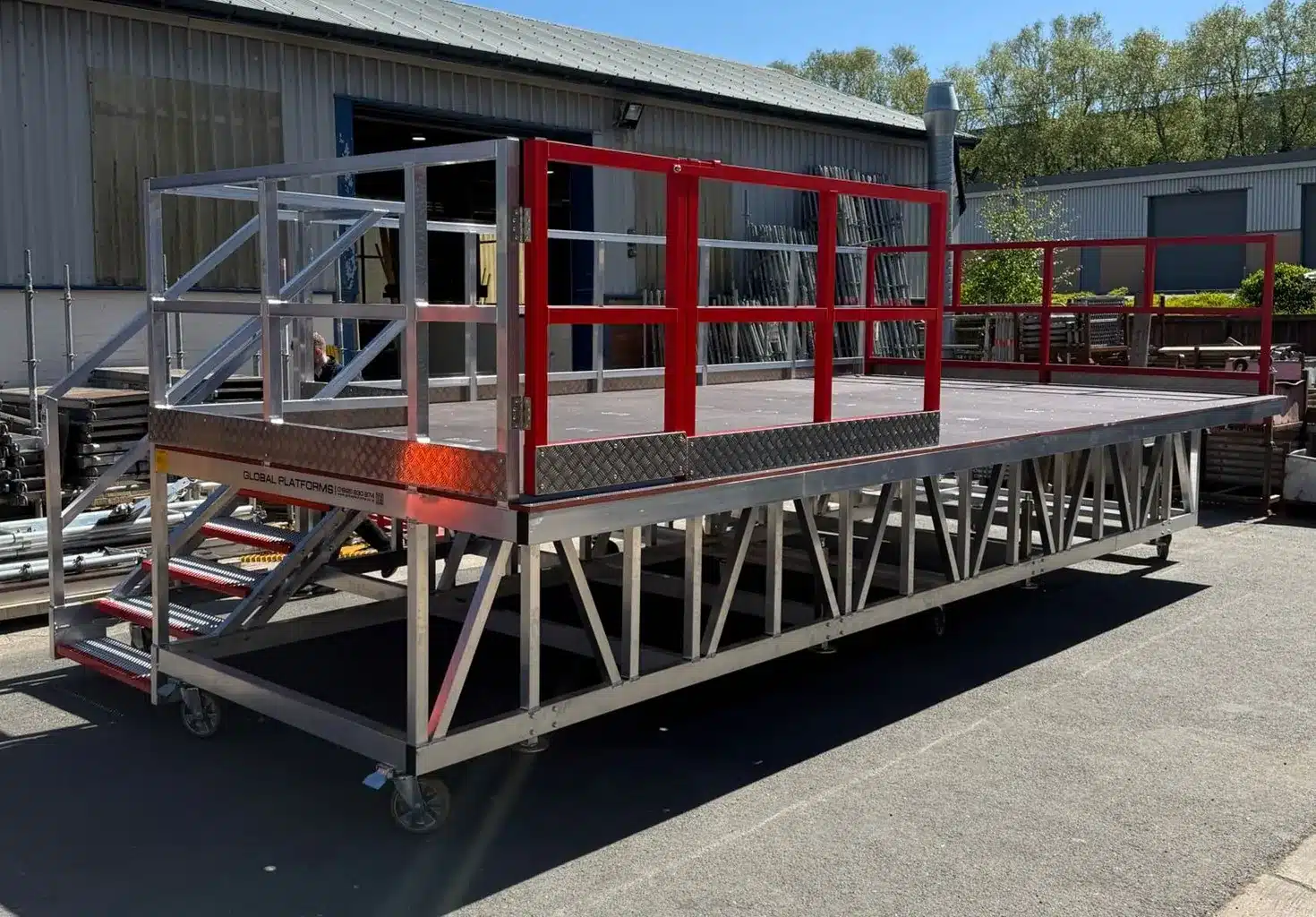
Aircraft Assembly Staging: Reaching Alignment Points Under a Continuous Deck
How lift-out panels, a 3D clash check and a BS EN 131 redesign shaped bespoke aircraft assembly staging for a UK defence aerospace programme.
Our Services
Tracked Spiders
Available to rent with a wide range of sizes and specifications
Bespoke Platforms
Available to rent with a wide range of sizes and specifications
Truck Mounts
Available to rent with a wide range of sizes and specifications
Scaffolding
Available to rent with a wide range of sizes and specifications
Let’s work together and create a
safer working environment for all.
Ask for a survey and outline design. We’ll compare temporary, semi-permanent and fixed options, and recommend the most efficient route for your site. You get predictable costs, a shorter programme, and it’s right first time.