

Domestic Scaffolding: What to Expect
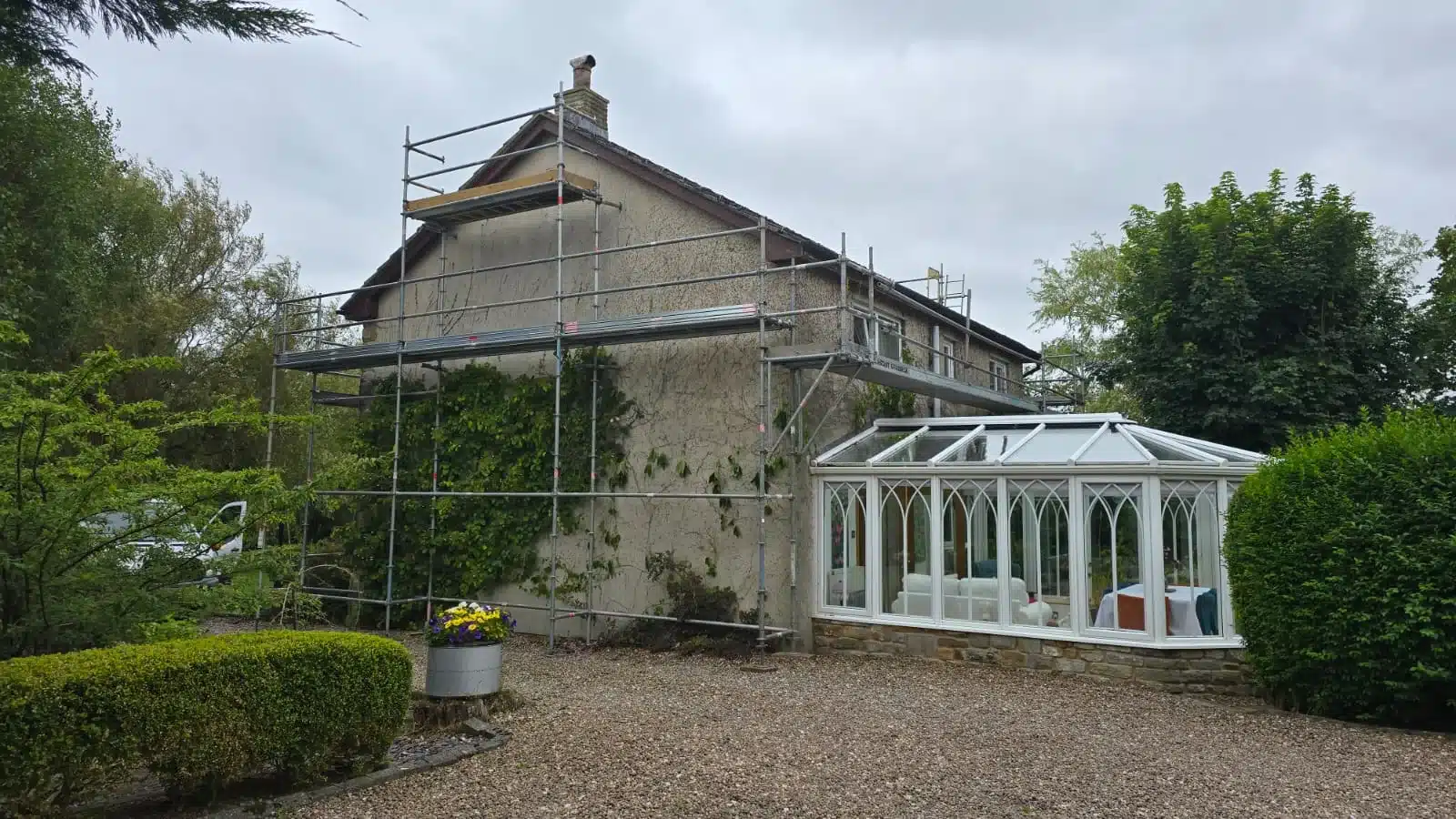
Domestic Scaffolding: What to Expect, From Survey to Take-Down
Most people only need scaffolding once every few years, so it’s rarely obvious what actually happens between booking it and having it taken down, or even whether you need a full scaffold at all. Here’s what to expect at each stage, and when a lighter option would do the job just as well.
What Domestic Scaffolding Is Actually Right For
Full scaffolding earns its place when work needs sustained access across a wide area for more than a day or two: a re-roof, full-elevation render or repointing, a chimney rebuild, or window and fascia work along a gable end. For a shorter job, a single chimney repair, an aerial fix, clearing gutters on one section, a scaffold tower or a single lift can often do the same job more safely and for less money. We’ll tell you which one your job actually needs before we quote, not sell you the bigger job because it’s the one we’d rather do.
What We Check at Survey
We survey the property before we quote, not after. That means checking ground conditions and loading for base plates, access width along side passages and shared driveways, tie points into the building fabric (older or rendered properties often need extra care here, so the fixings don’t damage the finish), and anything overhead, power lines, trees, a neighbouring roofline, that affects how the scaffold can go up. That’s what gets you an accurate price and a design that fits your property, not a generic quote that changes once someone’s actually on site.
What Happens on Erection Day
Scaffolding goes up to a design suited to your property: non-slip decks, secure guardrails, clean routing around doors and windows, and minimal disruption to the rest of the property while it’s being built. We keep you informed of timings, particularly if access to your garden, driveway or a shared space is needed.
How Long It Stays Up, and What That Means for Inspections
That depends on the job, a chimney repair might need scaffolding for a few days, a full re-roof considerably longer. Whatever the duration, scaffolding in use has to be inspected at least every 7 days under the Work at Height Regulations, and again after any severe weather. We build that into the programme rather than leaving it as an afterthought.
Safe Take-Down and Handover
Once the work’s finished, we take the scaffold down and leave the site tidy, clearing away fixings, debris and packaging rather than leaving that to you or your contractor.
Accreditation You Can Check
We’re ISO 9001 certified (certificate 14470) and hold CHAS and SSIP accreditation, so if you or your contractor want to check our credentials before work starts, there’s something real to check.
Where We Cover Domestic Scaffolding
We cover North West England, North Wales, West Yorkshire, Staffordshire, Lancashire and the Lake District, working from our base in Warrington.
Getting Domestic Scaffolding Booked In
If you’ve got a roof, render or chimney job coming up, get in touch and we’ll arrange a survey. You’ll get a straight answer on whether you need full scaffold or something smaller, based on your property, not a guess.
Frequently Asked Questions
How much notice do I need to give for domestic scaffolding?
It depends on the scale of the job and how busy we are, but the earlier you get a survey booked, the more likely we can fit around your contractor’s programme. Get in touch as soon as you have a rough date in mind.
Will scaffolding affect my neighbours or the pavement?
It can, depending on your property and boundaries, which is exactly why we survey first. We’ll flag anything that needs a neighbour’s permission or a pavement licence before work starts, not after.
Is domestic scaffolding inspected while it's up?
Only when we are certain that our interpretation of your requirement meets all the relative working at height safety standards and regulations will we put our proposal forward to you.
Recent Posts
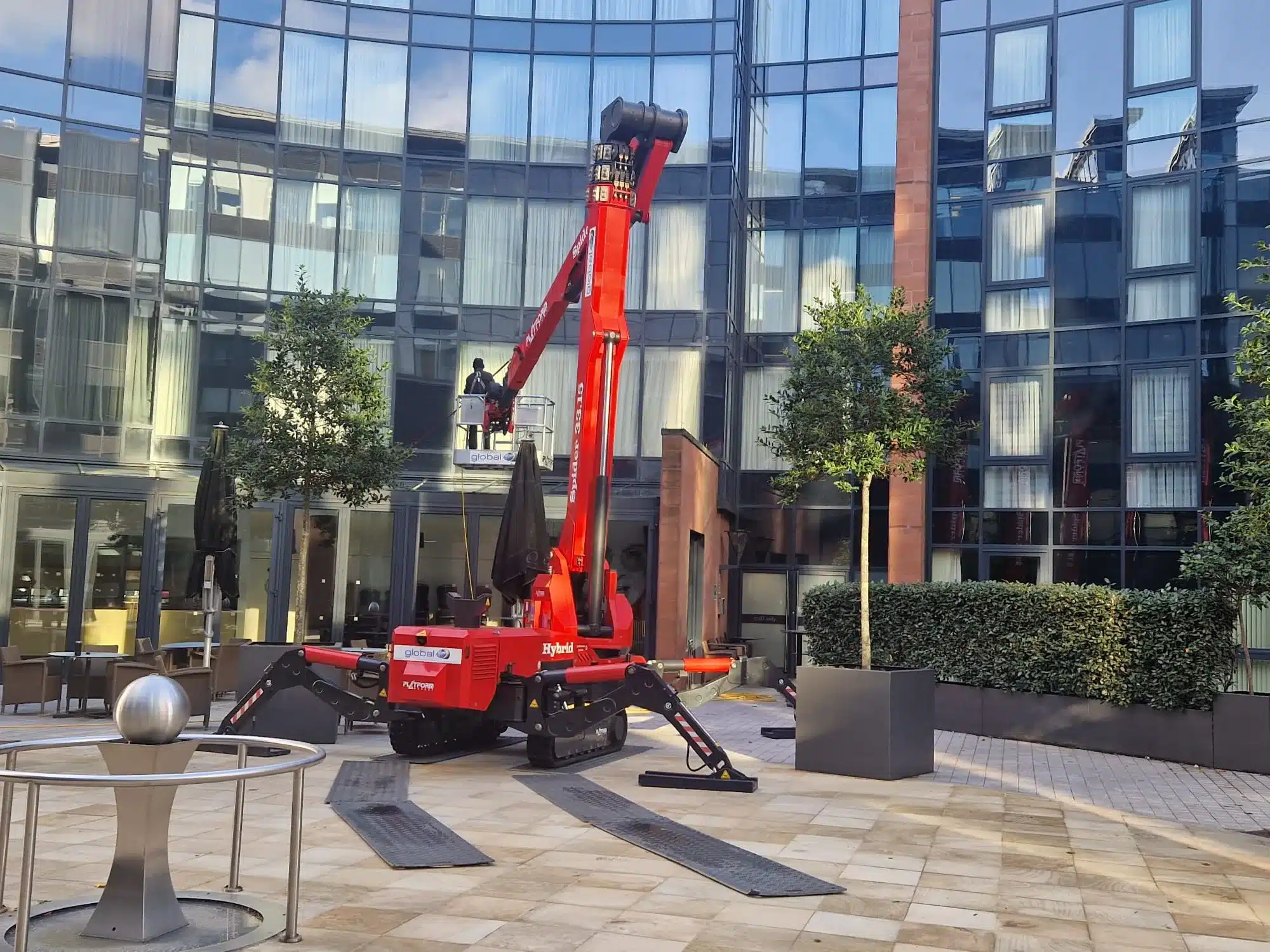
Choosing the Right Spider MEWP for the Job
A spider MEWP isn't one machine, it's a range, and the wrong one for the site costs you time before anyone's even off the ground. We run a tracked spider fleet from roughly 15m to 33m working height, covering Hinowa, Lightlift, Dino, Platform Basket, Cela and Falcon,...
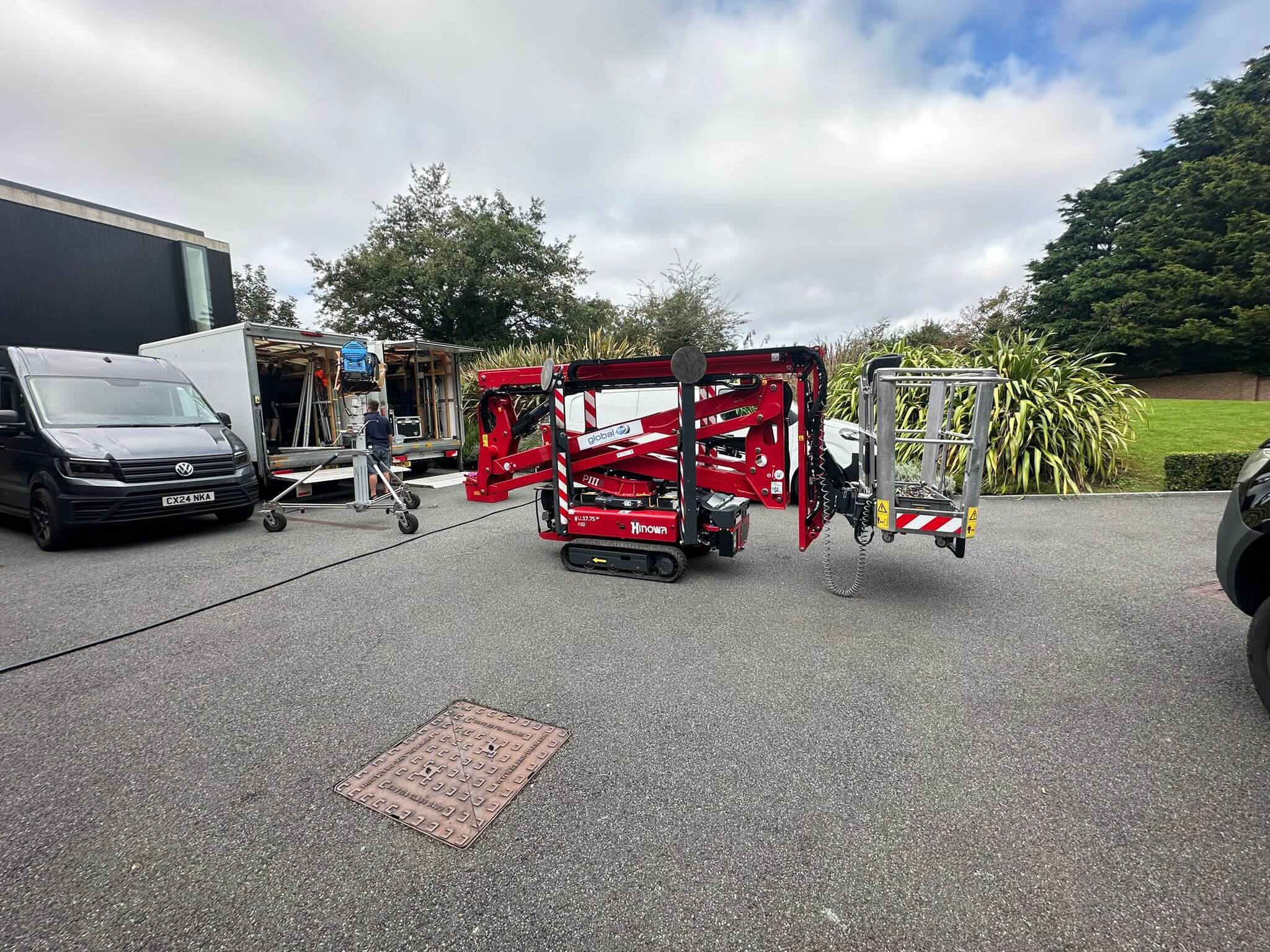
PUWER Inspections for Access Equipment: What They Cover and How Often You Need Them
If your site uses hired or owned access equipment, MEWPs, scaffold or bespoke platforms, you have a legal duty to keep it safe to use. That duty sits mainly under the Provision and Use of Work Equipment Regulations 1998 (PUWER), alongside the Lifting Operations and...
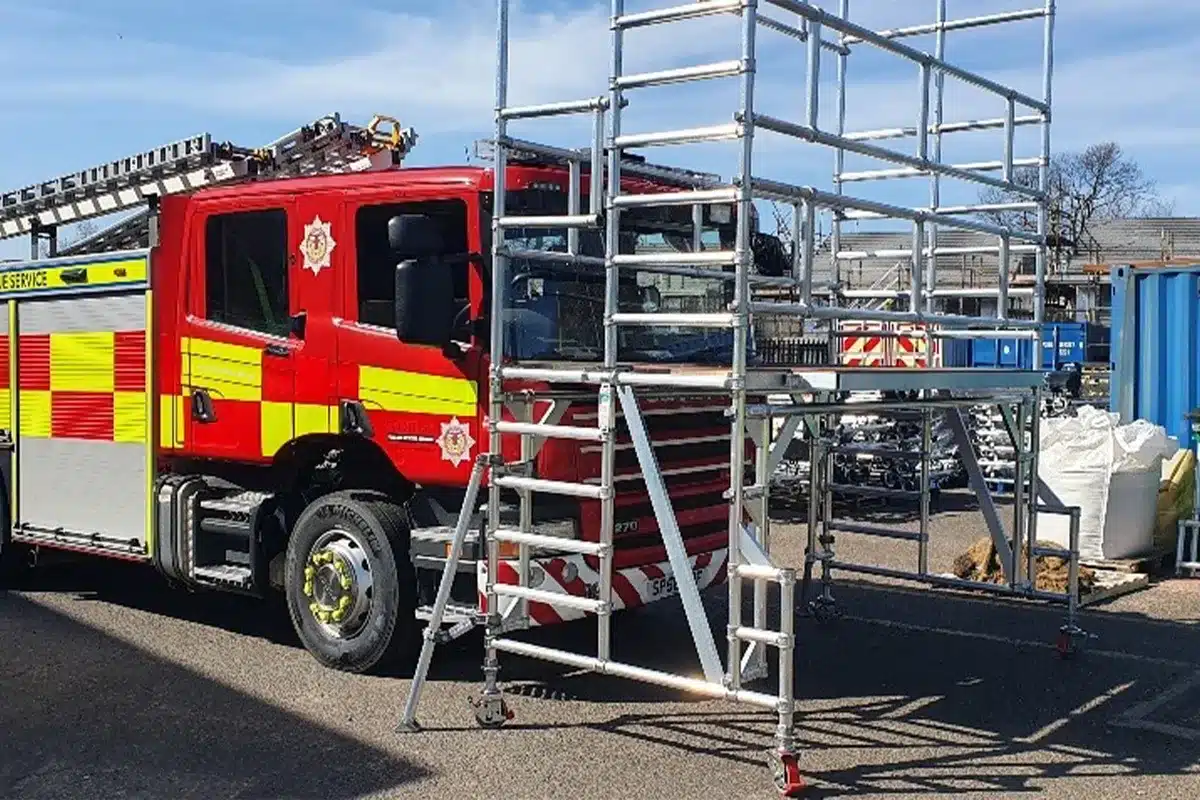
What Is a Bespoke Access Platform?
A bespoke access platform, sometimes searched for as a custom access platform, is equipment engineered around a specific site, structure or task rather than picked off a hire sheet. Standard Mobile Elevating Work Platforms (MEWPs) and scaffold cover most access needs,...
Our Services
Tracked Spiders
Available to rent with a wide range of sizes and specifications
Bespoke Platforms
Available to rent with a wide range of sizes and specifications
Truck Mounts
Available to rent with a wide range of sizes and specifications
Scaffolding
Available to rent with a wide range of sizes and specifications
Let’s work together and create a
safer working environment for all.
Ask for a survey and outline design. We’ll compare temporary, semi-permanent and fixed options, and recommend the most efficient route for your site. You get predictable costs, a shorter programme, and it’s right first time.