

PUWER Inspections for Access Equipment: What They Cover and How Often You Need Them
Trusted by















If your site uses hired or owned access equipment, MEWPs, scaffold or bespoke platforms, you have a legal duty to keep it safe to use. That duty sits mainly under the Provision and Use of Work Equipment Regulations 1998 (PUWER), alongside the Lifting Operations and Lifting Equipment Regulations 1998 (LOLER) for lifting equipment and the Work at Height Regulations 2005 for scaffold. This guide sets out what each covers in practice. It’s a general guide, not a substitute for your own risk assessment, so confirm exact intervals for your equipment and use with a competent person.
What PUWER covers
PUWER requires that work equipment is suitable for the task, maintained in an efficient state, and inspected wherever deterioration could result in a danger to health and safety. For access equipment, that means checking the machine or structure is fit for the job it’s being used for, not just that it was safe when it left the yard.
How PUWER relates to LOLER for MEWPs
A MEWP lifts people, so it’s also lifting equipment under LOLER. LOLER requires a thorough examination by a competent person, typically every six months for equipment used to lift people, and every twelve months for other lifting equipment, alongside the ongoing PUWER duty to maintain and inspect it between examinations. In practice, that means a MEWP needs both a current LOLER thorough examination certificate and a pre-use check by the operator every time it’s put to work.
Scaffold inspections under the Work at Height Regulations
Scaffold falls under the Work at Height Regulations 2005 rather than LOLER. A competent person needs to inspect it before first use, at intervals not exceeding seven days while it remains erected, and after any event likely to have affected its safety, such as high winds or an impact. Each inspection needs a written record.
What a compliant inspection record should include
Whichever regulation applies, an inspection record should show who carried it out, what was checked, any defects found and the action taken, the date of the inspection, and when the next one is due. A verbal check with no record behind it won’t stand up if you’re audited or if something goes wrong.
How we handle this on our sites
Every hire and installation from Global Platforms comes with the inspection and handover documentation to back it up. We’re ISO 9001 certified for the design, manufacture, modification and management of onsite access work, so whether it’s a tracked spider MEWP, scaffold or a bespoke platform, you get compliant, audit-ready paperwork with it, not just the equipment.
Next step
If you need access equipment with the inspection and compliance documentation sorted from day one, get in touch and we’ll talk through what your site needs.
Recent Posts
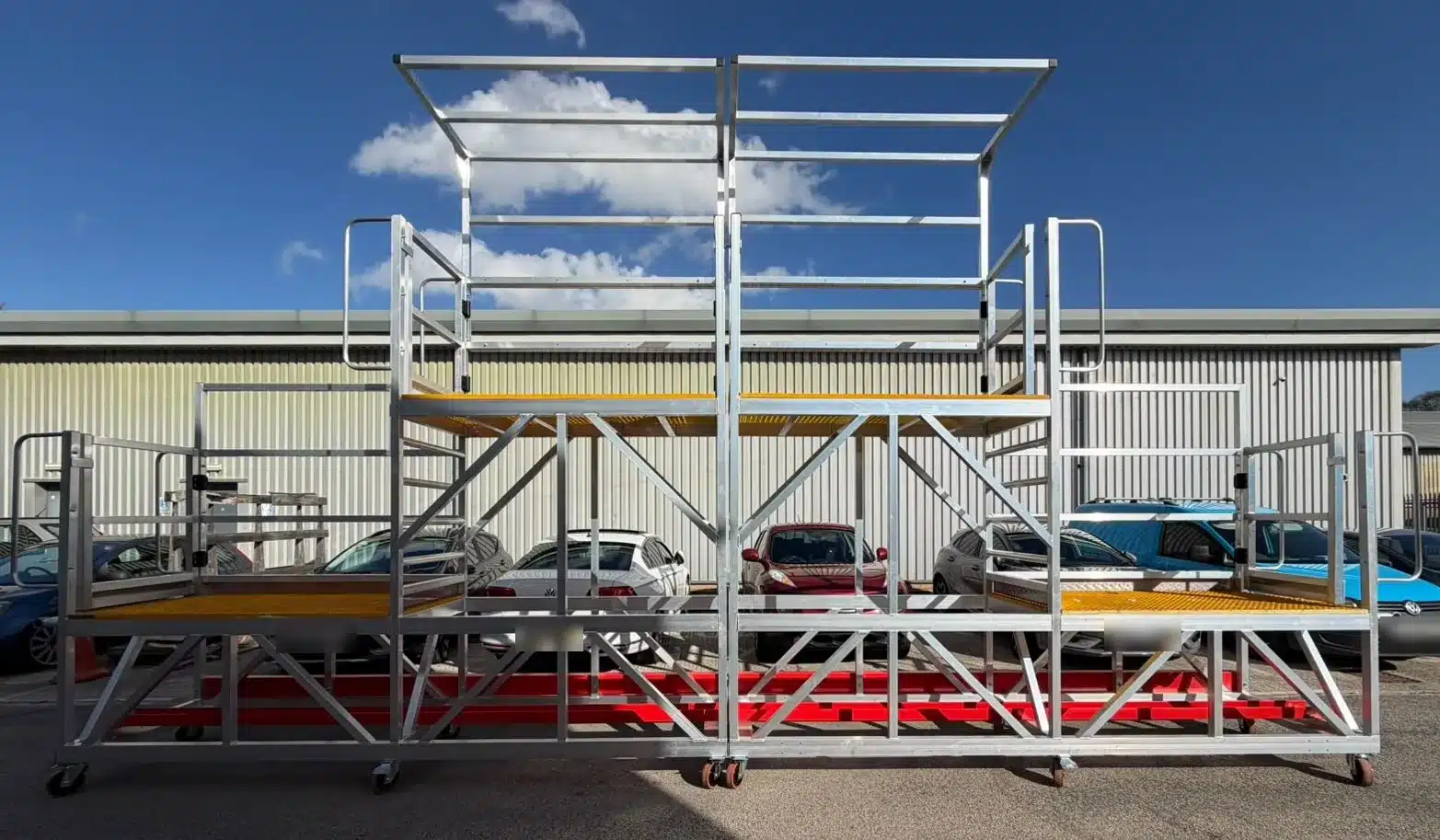
Case Study: Train Inspection Staging Re-engineered to Fit a One-Metre Gap
GLOBAL PLATFORMSCASE STUDY Bespoke access · Rail maintenance ClientHitachi Rail ProjectSide access paint inspection staging for Intercity Express trains LocationEastleigh, Hampshire ManufacturedOctober 2026 Trusted by Two handed units clamped end to end into one...
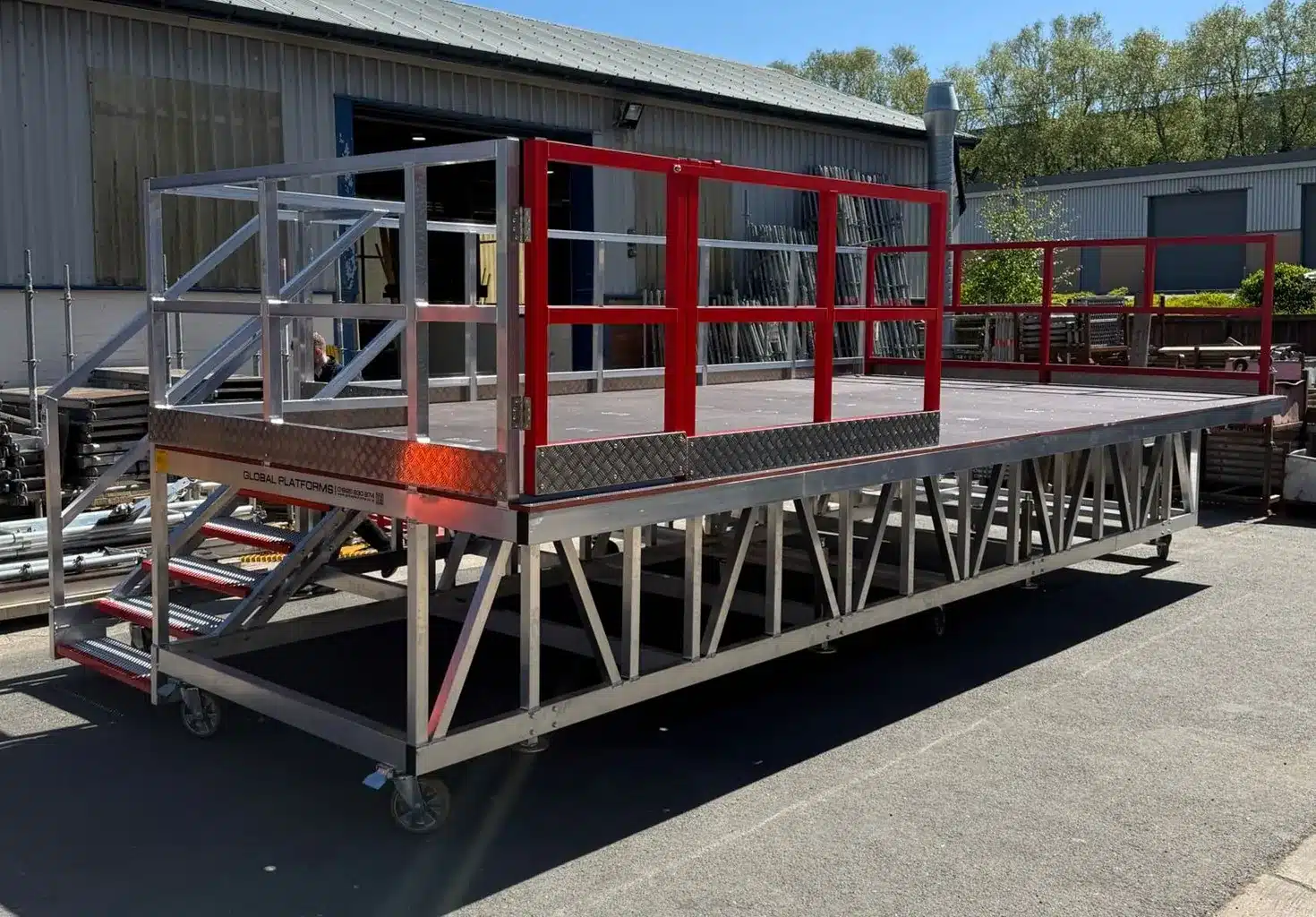
Case Study: Aircraft Assembly Staging Set Flush with the Tooling
GLOBAL PLATFORMSCASE STUDY Bespoke access · Defence aerospace Client Tier-one tooling partner to a UK defence aerospace prime Project Modular mobile assembly staging around an aircraft assembly jig Location North West England Delivered May to July 2026 Trusted by...
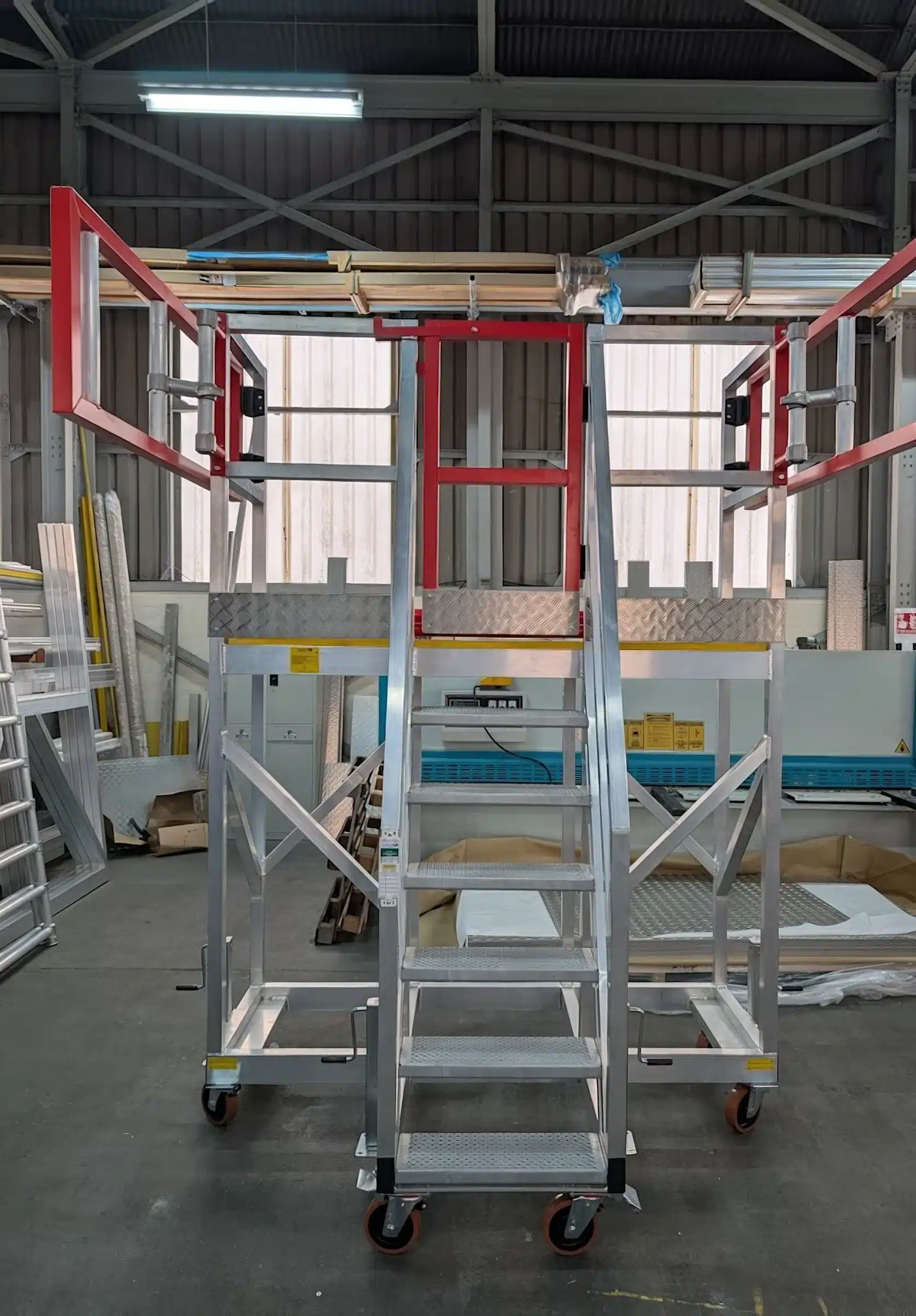
Case Study: Viaduct Access Platforms Built to Fit Between Pillars
Bespoke aluminium access platforms for precast viaduct segments on a major UK rail project, capped at 2.0m long to fit between pillars, with fold-out guardrail wings and 375kg proof load testing.
Our Services
Tracked Spiders
Available to rent with a wide range of sizes and specifications
Bespoke Platforms
Available to rent with a wide range of sizes and specifications
Truck Mounts
Available to rent with a wide range of sizes and specifications
Scaffolding
Available to rent with a wide range of sizes and specifications