

Is Your Equipment Compliant and Fit for Purpose?
Why an Equipment Compliance Checklist Matters
Incidents cost time and reputation. Therefore, using an equipment compliance checklist protects people, programmes, and budgets. Moreover, consistent checks reduce surprises and make audits straightforward.
Quick Compliance Triage
Start with three questions: Is the task method safe? Is the kit inspected? Is the operator competent? Accordingly, if any answer is “no,” pause and fix before work begins.
LOLER & PUWER Essentials
LOLER covers lifting equipment and accessories; PUWER covers suitability and safe condition. Consequently, each MEWP, tower, or platform needs current certificates, defect logs, and clear operating limits.
RAMS, Training & Briefings
Prepare RAMS that match the site, not a template. Then confirm IPAF or relevant training, plus a pre-start brief covering routes, roles, and rescue. Furthermore, record attendance for traceability.
Tagging, Labels & Records
Use visible inspection tags and asset IDs that match paperwork. Additionally, keep digital copies of certificates and repair notes; thus, auditors can verify status quickly.
Common Failures & Fast Fixes
Worn tyres, missing pins, damaged guardrails, expired LOLER, and vague rescue plans cause stoppages. However, daily checks, stocked spares, and a clear defect escalation path prevent most delays.
Method Choice & Environment
Not every task suits ladders or ad-hoc towers. Therefore, choose MEWPs for reach and stability, or bespoke platforms for repeat tasks. Conversely, postpone work in high wind, ice, or poor lighting.
Site Controls & Housekeeping
Protect pedestrian routes, mark exclusion zones, and manage cords and hoses. Moreover, keep spill kits and absorbent mats at entrances to stop slip risks.
Audit Prep & Evidence
Before an audit, collate RAMS, LOLER/PUWER, pre-use checklists, and training cards. As a result, reviews become quick confirmations rather than investigations.
Next Steps for Equipment Compliance Checklist
Share task details, height, outreach, and access width. Then we’ll recommend method, provide compliant documentation, and deliver tagged, inspected equipment with a clean handover.
Recent Posts
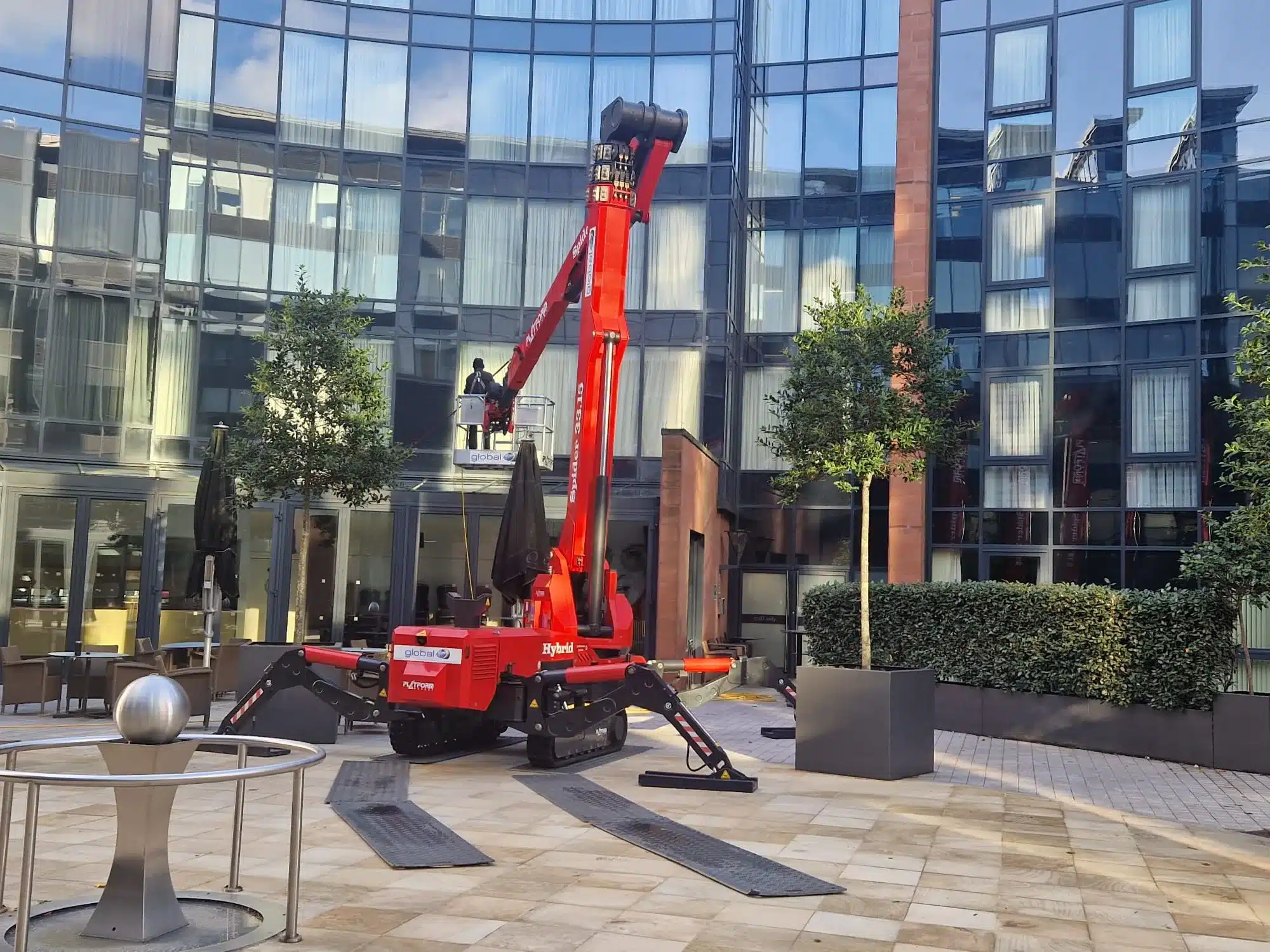
Choosing the Right Spider MEWP for the Job
A spider MEWP isn't one machine, it's a range, and the wrong one for the site costs you time before anyone's even off the ground. We run a tracked spider fleet from roughly 15m to 33m working height, covering Hinowa, Lightlift, Dino, Platform Basket, Cela and Falcon,...
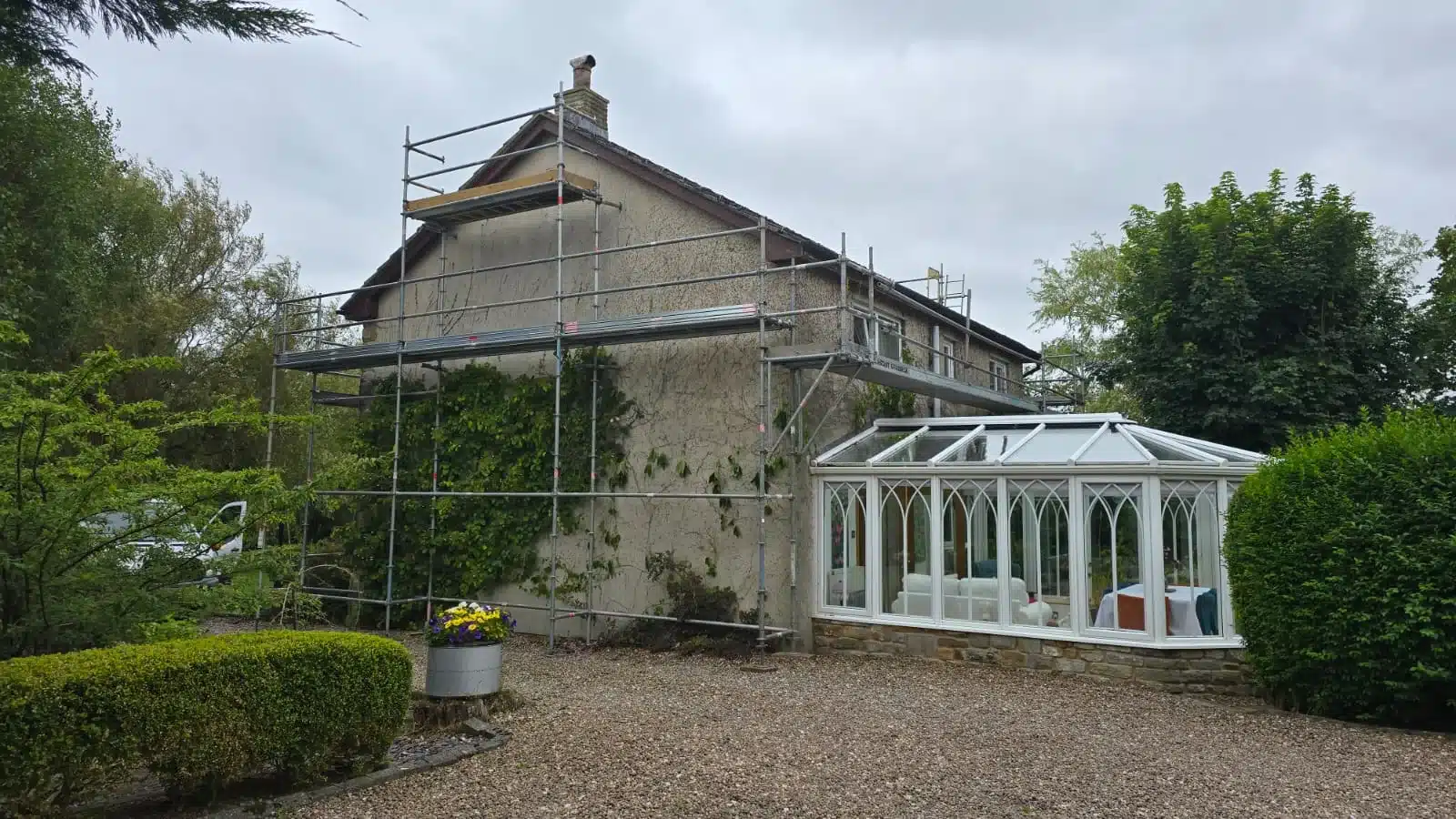
Domestic Scaffolding: What to Expect
Domestic Scaffolding: What to Expect, From Survey to Take-Down Most people only need scaffolding once every few years, so it's rarely obvious what actually happens between booking it and having it taken down, or even whether you need a full scaffold at all. Here's...
PUWER Inspections for Access Equipment: What They Cover and How Often You Need Them
If your site uses hired or owned access equipment, MEWPs, scaffold or bespoke platforms, you have a legal duty to keep it safe to use. That duty sits mainly under the Provision and Use of Work Equipment Regulations 1998 (PUWER), alongside the Lifting Operations and...
What Is a Bespoke Access Platform?
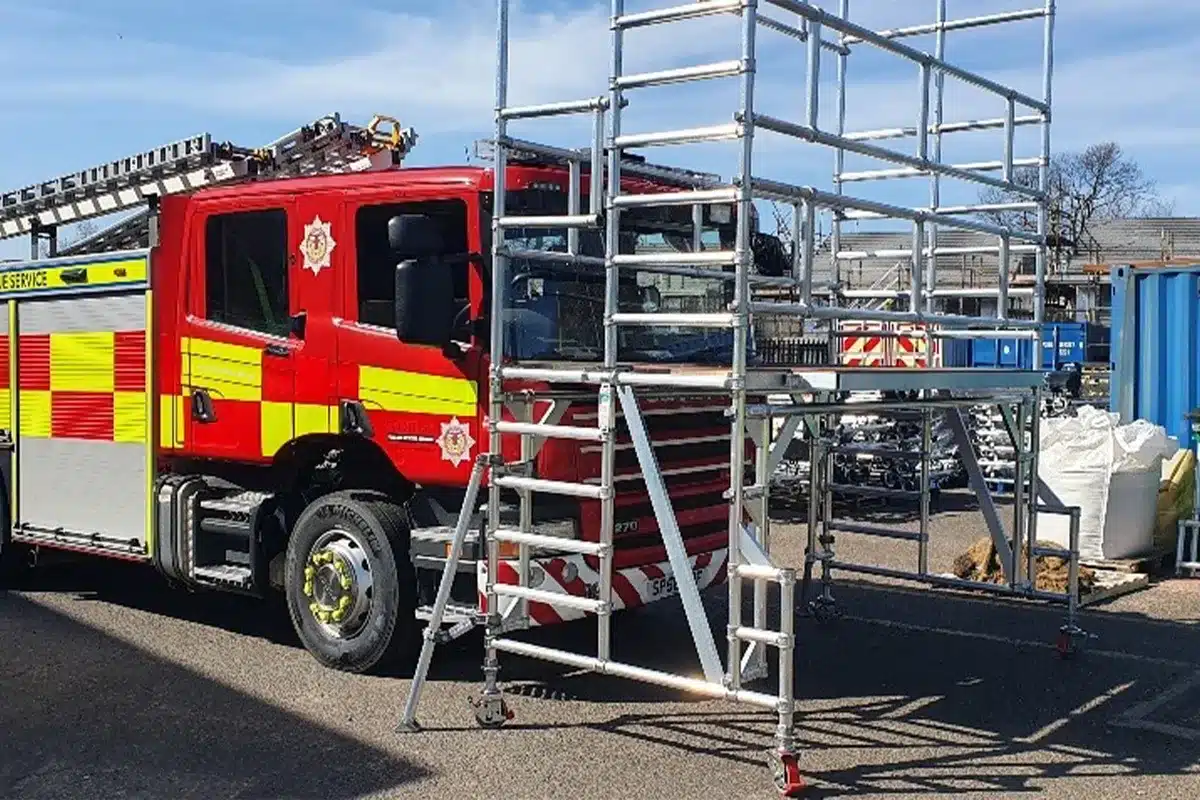
A bespoke access platform, sometimes searched for as a custom access platform, is equipment engineered around a specific site, structure or task rather than picked off a hire sheet. Standard Mobile Elevating Work Platforms (MEWPs) and scaffold cover most access needs,...
Scaffold or MEWP for Commercial Sites
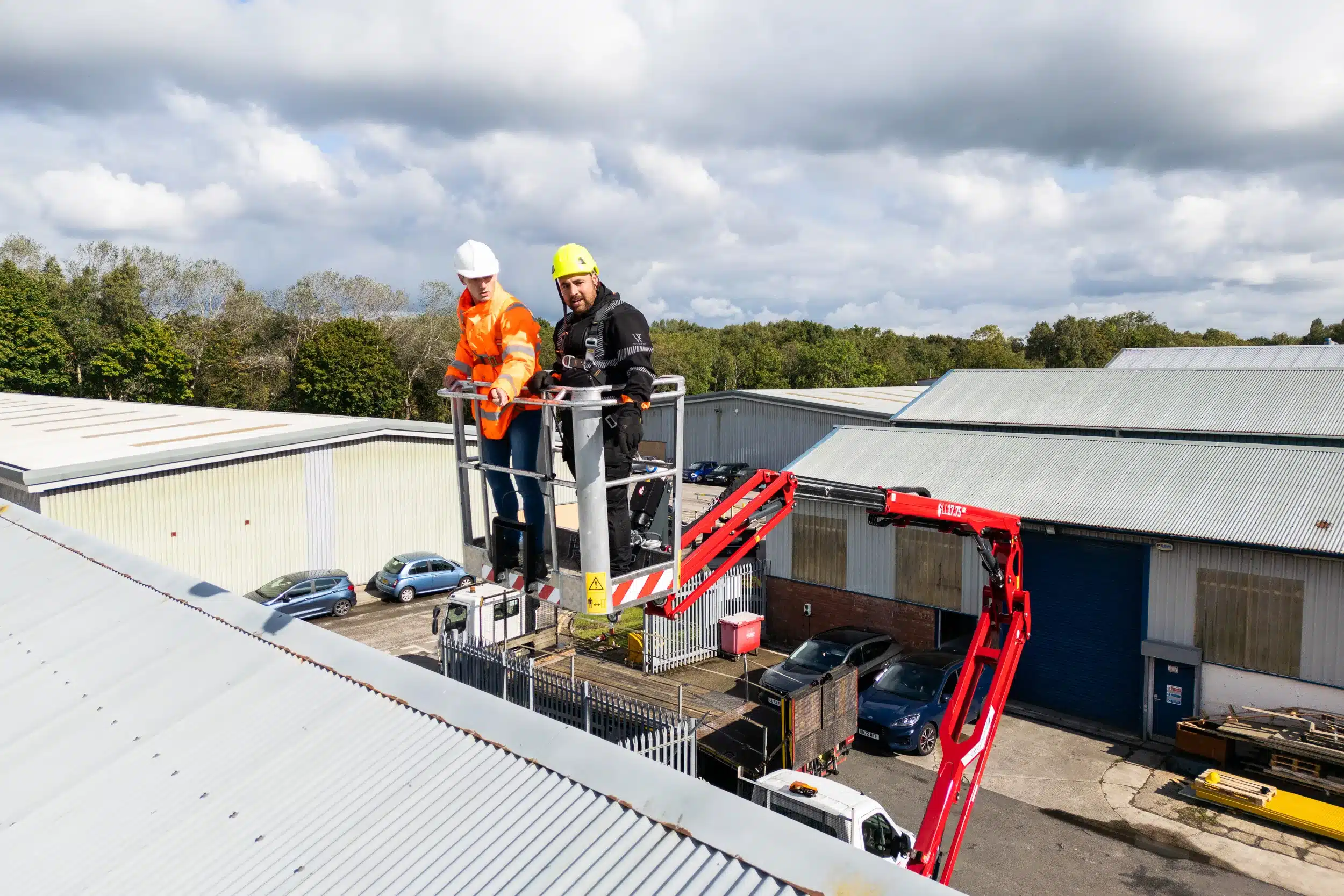
Scaffold and Mobile Elevating Work Platform (MEWP) hire both get people safely to height, and both have their place on a commercial or industrial site. The wrong choice costs you money, either in wasted hire time or in a job that takes longer than it should. This...
Tracked Cherry Picker Hire: Why Tracks Beat Wheels on Site
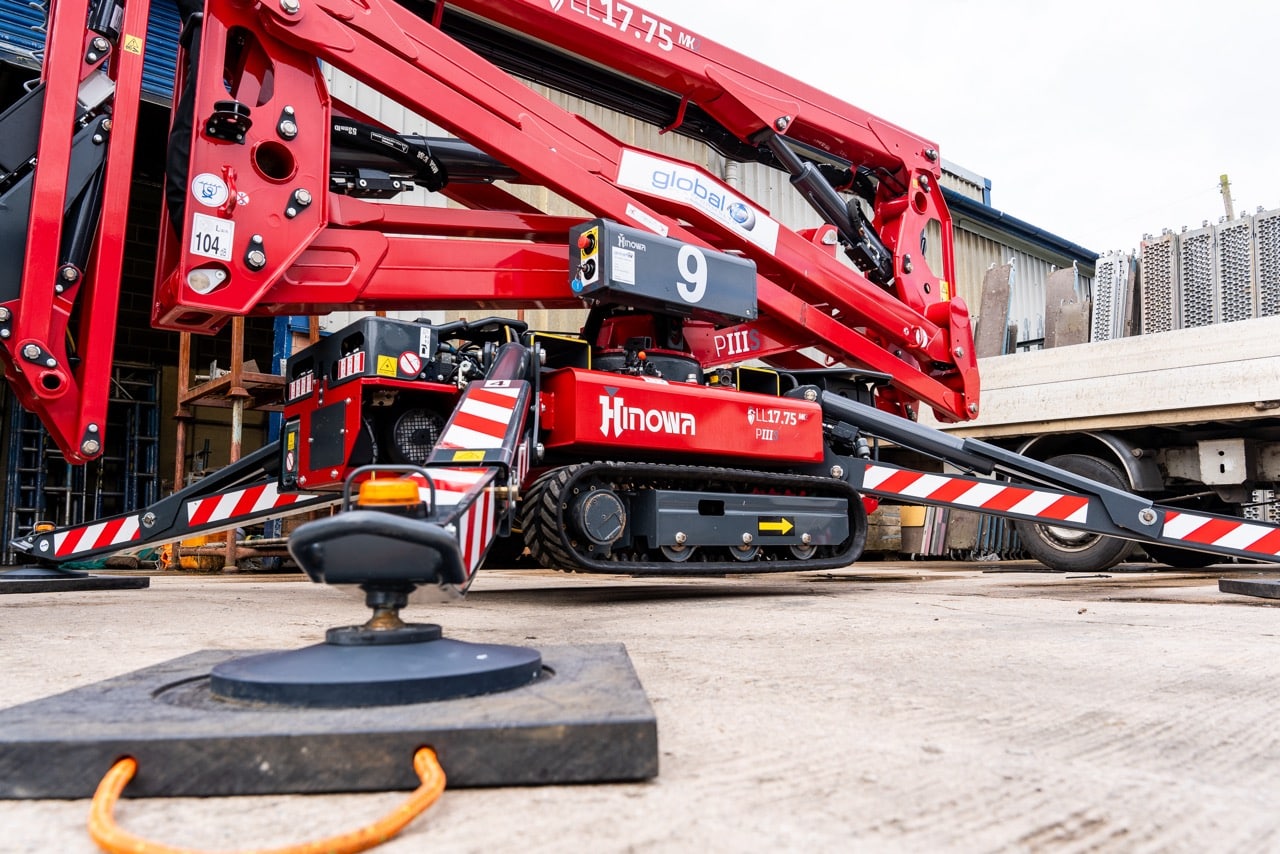
Tracked Cherry Picker Hire: Why Tracks Beat Wheels on Site A cherry picker on wheels does the job on a flat, made-up surface. The moment the ground is soft, sloped, or something worth protecting, tracks change what's possible. Tracked access spreads the machine's...

Tracked Spider Lift for Property Management: Maintenance & Access
Elevating Property Management: The Tracked Spider Lift Advantage For property and facility managers, maintaining diverse buildings is a constant challenge. Historic commercial sites and modern residential complexes both require regular attention. Traditional...

Spider Lift Hire for Christmas Decorations and Festive Lighting
Every November, facilities managers and town councils face the same problem: getting a giant tree, miles of LED lighting or a suspended feature decoration installed safely at height, often inside a working retail centre or on a busy high street. A tracked spider lift...
Safe Access in High-Traffic Zones: Using Spider Lifts in Indoor Shopping Centres
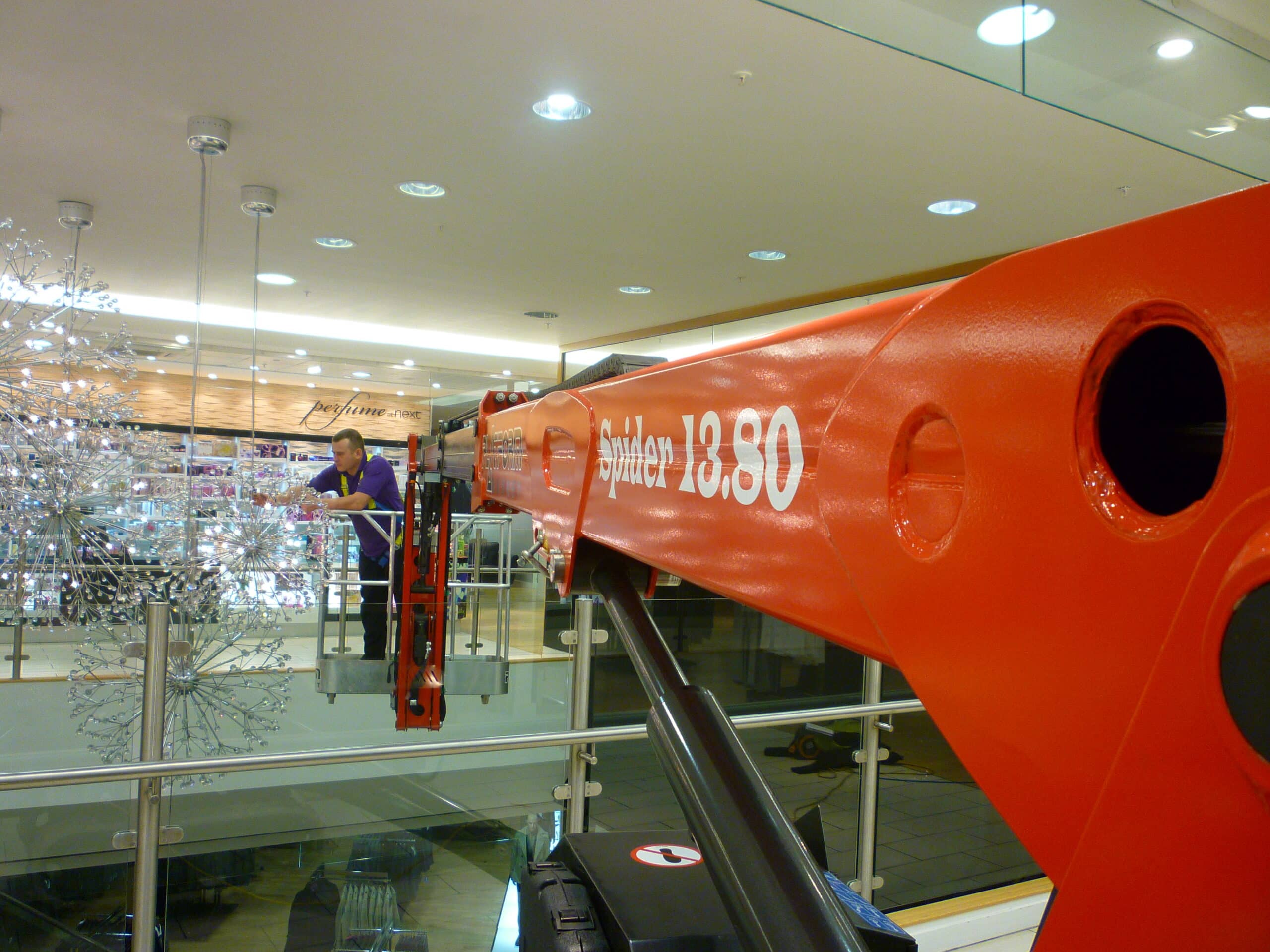
Maintaining the interior of a busy shopping centre presents a unique set of challenges. You need to access high ceilings, lighting arrays, signage, and glass roofs, often while navigating: Tight Spaces: Escalators, internal doorways, and customer service desks....
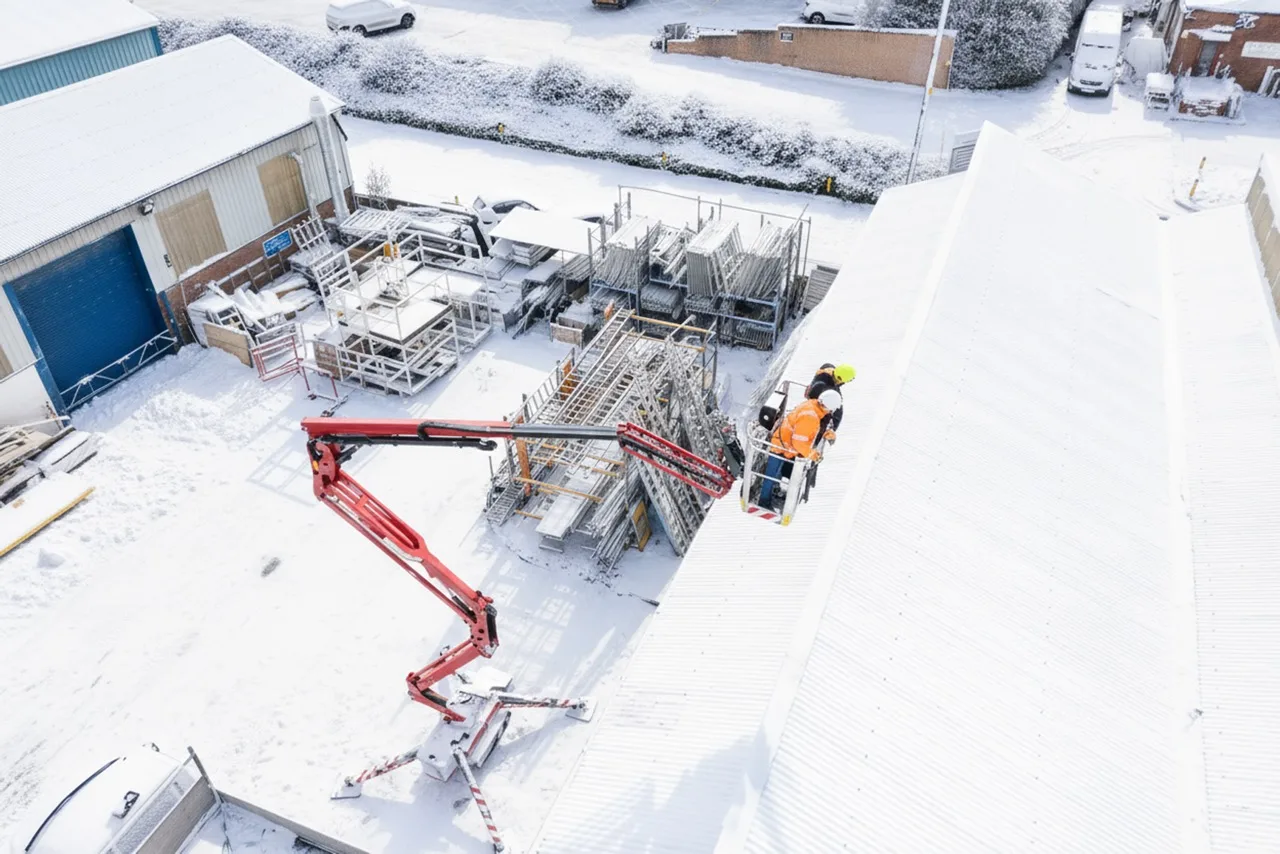
5 Essential Tips for Operating Spider Lifts Safely in UK Winter Weather
Safely Operating spider lifts in winter can be a challenge, this blog will outline some tips to keep you and your team safe. Winter brings unique challenges to construction, maintenance, and arboriculture projects across the UK. Cold temperatures, icy ground, and wet...
Our Services
Tracked Spiders
Available to rent with a wide range of sizes and specifications
Bespoke Platforms
Available to rent with a wide range of sizes and specifications
Truck Mounts
Available to rent with a wide range of sizes and specifications
Scaffolding
Available to rent with a wide range of sizes and specifications