

Managing Slips and Trips in Bad Weather
Trusted by















Why Winter Slip Prevention Matters
Cold snaps multiply incidents. Therefore, a plan for winter slip prevention protects people, schedules, and budgets. Moreover, fewer slip events mean less downtime and fewer insurance headaches—especially on public interfaces and busy yards.
Map, Prioritise, and Sign
Start by mapping high-risk routes: entrances, ramps, loading bays, scaffold stairs, and temporary walkways. Then prioritise gritting and matting for those paths. Additionally, use clear, weatherproof signage at decision points so pedestrians choose safer routes automatically.
Gritting, Drainage, and Housekeeping
Grit early and often—before frost forms—and replenish bins daily. Meanwhile, clear drains and gutters to prevent refreeze sheets across access routes. Furthermore, remove slush piles from desire lines; otherwise, people will create unsafe shortcuts.
Footwear, PPE, and Briefings
Good soles beat good intentions. Accordingly, insist on winter-rated footwear and add slip-resistant overshoes where appropriate. In addition, run short toolbox talks covering pace, carrying loads, and handrail use—especially for visitors and subcontractors.
Stairs, Towers, and Platforms
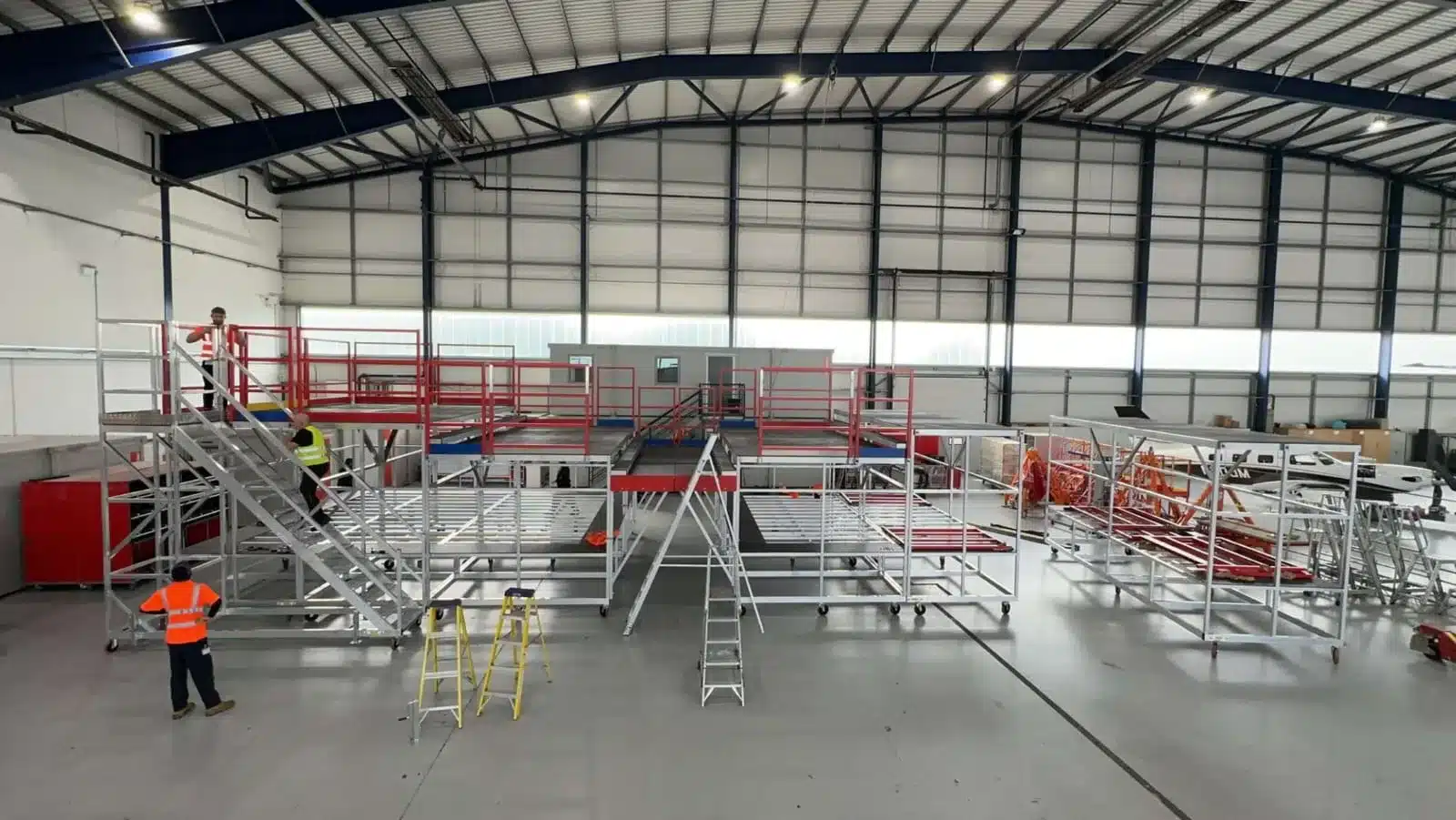
Slips spike on steps. Therefore, fit anti-slip treads, self-closing gates, and positive locking on scaffold stairs and platforms. Likewise, inspect tags after freeze–thaw cycles and replace any damaged matting immediately.
Choosing Access Methods in Bad Weather
Not every job should proceed on icy ground. Consequently, review methods: a tracked spider with non-marking, low-ground-pressure tracks may be safer than ladders or ad-hoc towers. Conversely, postpone tasks where wind, sleet, or refreeze push risk beyond tolerances.
Cleaning, Mats, and Interior Transitions
Ice ends at the door; water doesn’t. Accordingly, place absorbent entrance mats and extend them far enough to dry soles before tiled or polished floors. Moreover, set up spill stations and increase daytime cleaning rounds during snow or heavy rain.
Documentation, RAMS, and Records
Update RAMS for winter conditions and record gritting times, inspections, and incident responses. As a result, audits run smoothly and trends are easier to spot. Additionally, share a simple daily checklist so supervisors confirm controls are in place.
Quick Wins This Week
Pre-stage grit, swap worn mats, and test lights on external routes. Then verify handrails, fix loose nosings, and mark hidden kerbs. Finally, rehearse the out-of-hours call tree so action starts before dawn—not after slips happen.
Next Steps for Winter Slip Prevention
Send site plans and photos of your main routes. We’ll suggest targeted improvements—from matting and gritting locations to safer access methods—and provide a tidy, compliant handover you can share with your team.
Need access built around your job?
We survey, design, fabricate and install bespoke access platforms across the UK.
Frequently Asked Questions
Why are slips and trips such a big issue at work?
Slips, trips and falls on the same level are the most common cause of non-fatal workplace injuries in Great Britain, according to HSE figures.
How does bad weather increase slip risk?
Rain, ice, frost and leaves make surfaces slippery, especially on steps, walkways, loading areas and platforms.
How can access platforms reduce slips?
Anti-slip decking, handrails and well-designed steps make platforms safer in wet and icy conditions.
What anti-slip options are available for platforms?
Options include anti-slip grating, treads and decking materials chosen for wet, oily or icy environments.
Should outdoor platforms be gritted?
Where ice is likely, gritting, covering or checking platforms before use helps keep them safe.
Who is responsible for preventing slips?
Employers must assess and control slip and trip risks, including those caused by weather.
Can existing platforms be upgraded?
Often, yes. Decking, treads and handrails can be upgraded to improve grip and safety.
How can you help?
We design, upgrade and inspect access platforms, including anti-slip improvements. Contact us with details of your site.
Recent Posts

Vehicle Access Platforms by Vehicle Type: HGVs, Buses, Refuse and Emergency Fleets
HGV cab roofs, bus roof equipment, refuse hoppers and fire appliances each need different access. We explain how we match the platform to the vehicle.
Train Inspection Staging for Rail Depots with Tight Clearances
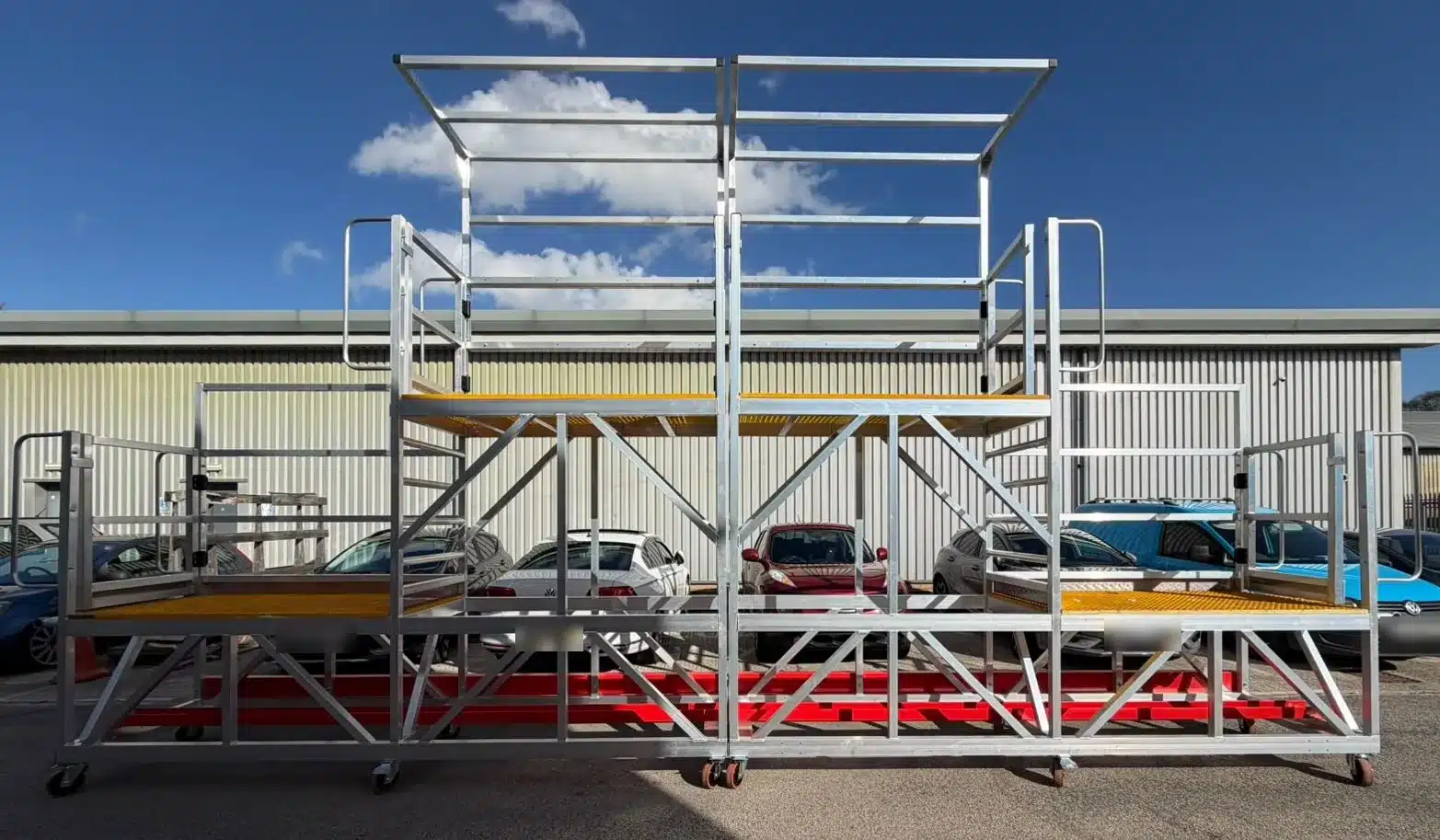
How we designed inspection staging for a rail depot with about a metre between the roads, and what it means for your next bespoke platform.
Aircraft Assembly Staging: Reaching Alignment Points Under a Continuous Deck
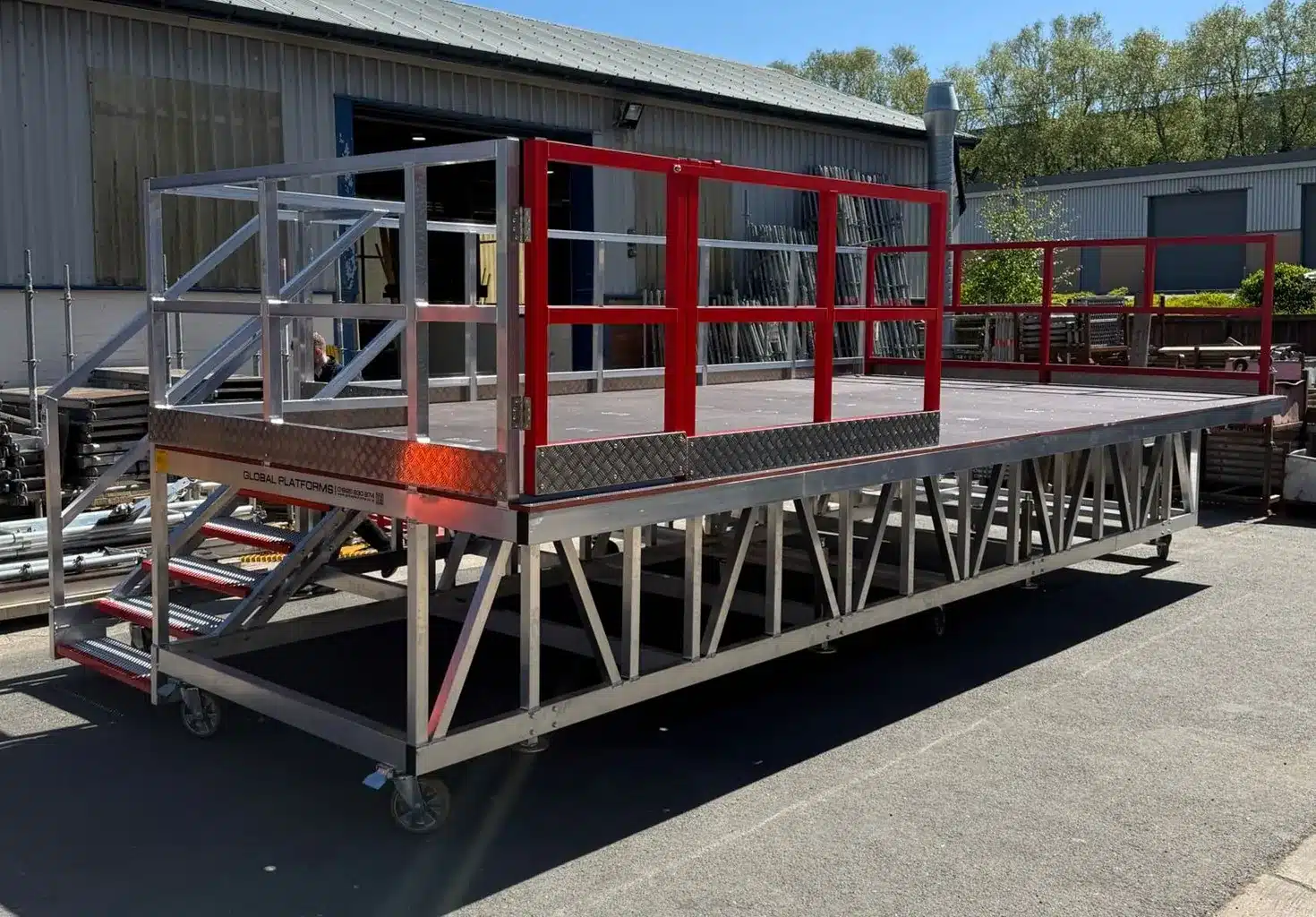
How lift-out panels, a 3D clash check and a BS EN 131 redesign shaped bespoke aircraft assembly staging for a UK defence aerospace programme.
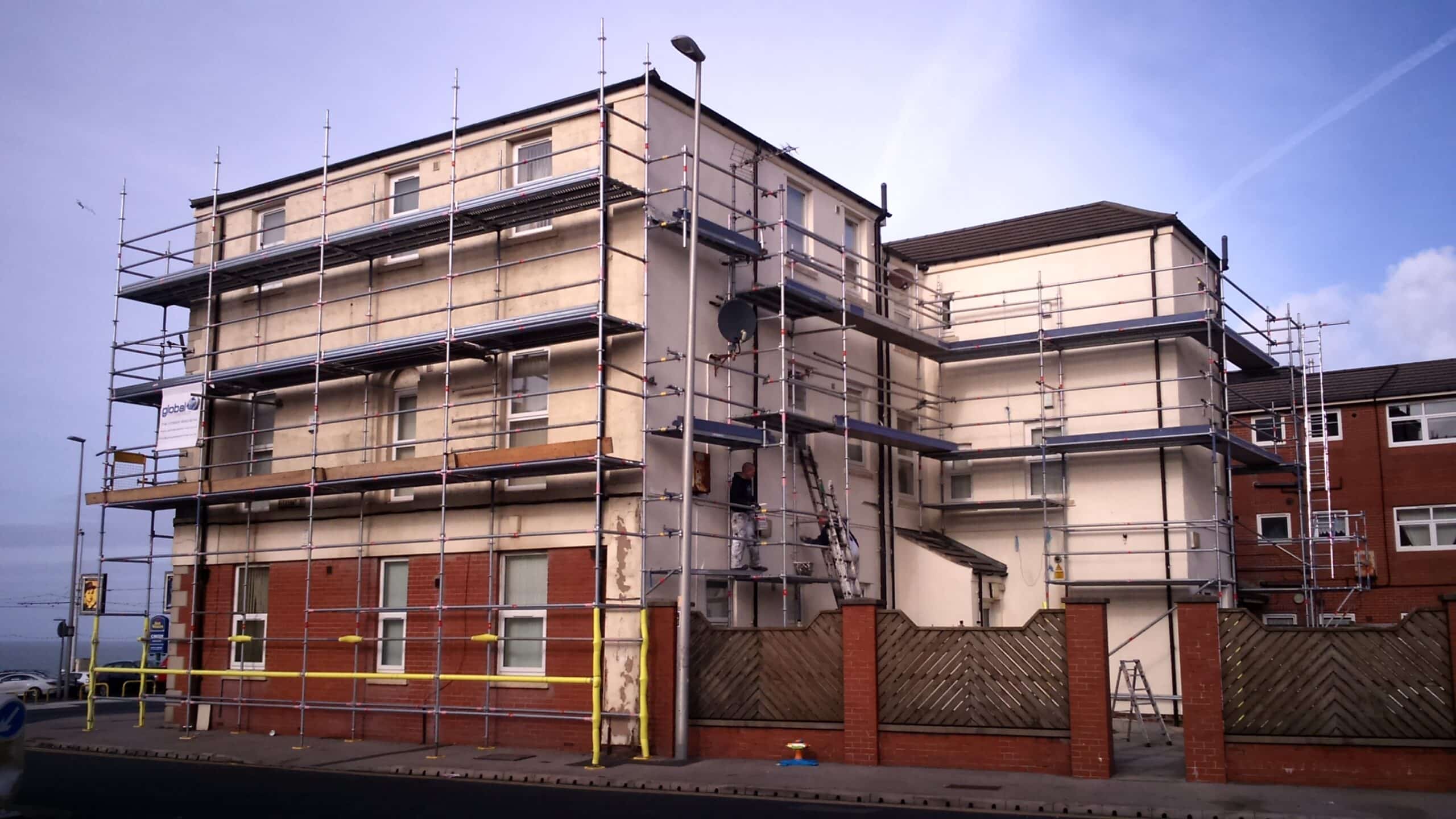
TG20:21 Compliance Sheets Explained: When Does a Scaffold Need a Design?
What TG20:21 compliance sheets are, when a scaffold needs a specific design instead, and what paperwork to ask your scaffolding contractor for.
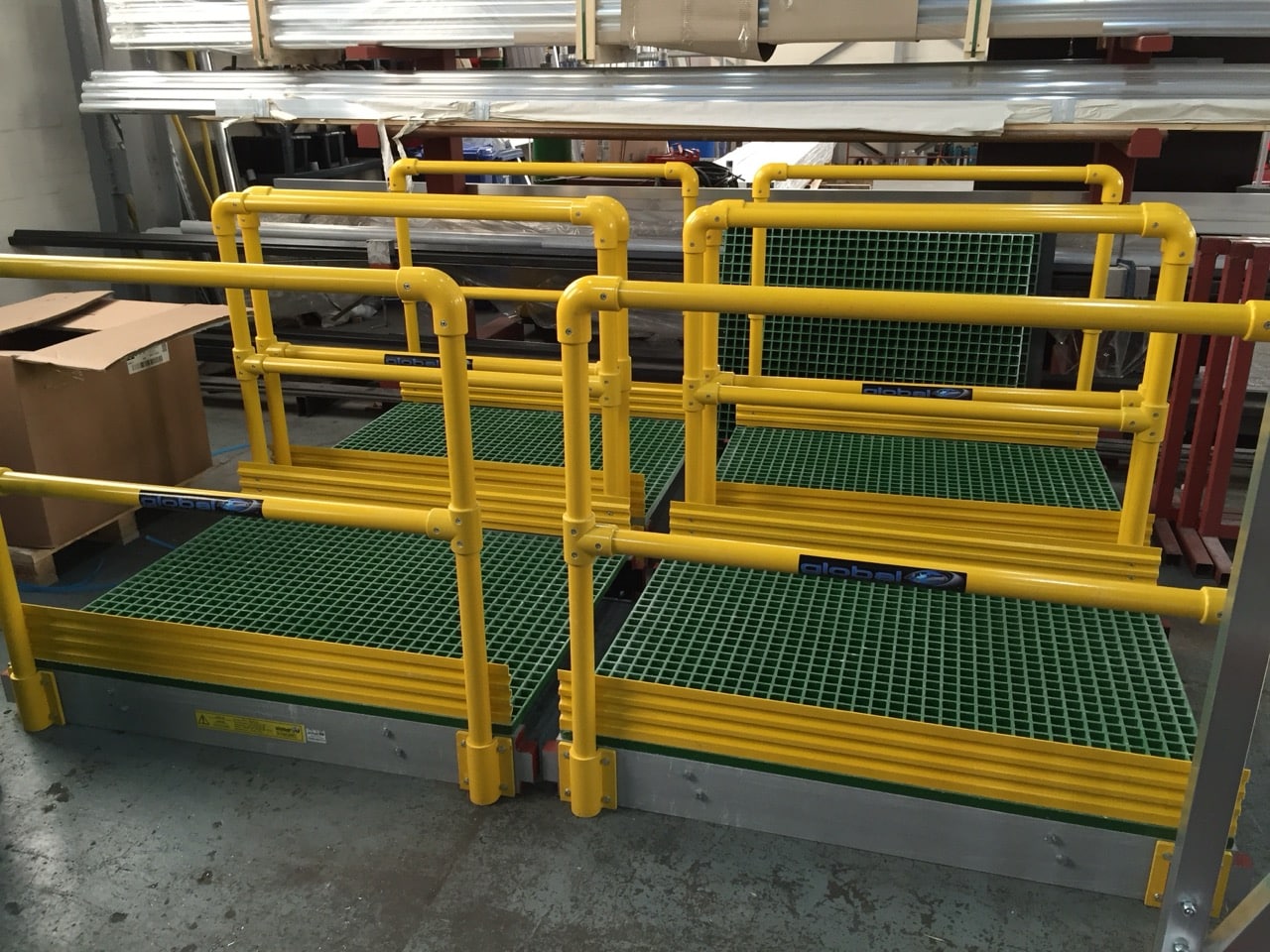
Pit Boards and Inspection Pit Safety in Train and Vehicle Depots
Inspection pits are a work at height hazard. How pit boards, edge protection and safe pit access keep depots and workshops safe.

Mobile Access Towers Explained: When a Tower Beats Scaffolding
When a mobile access tower is the right choice, how towers should be built and inspected, and when scaffolding or a spider lift is the better option.
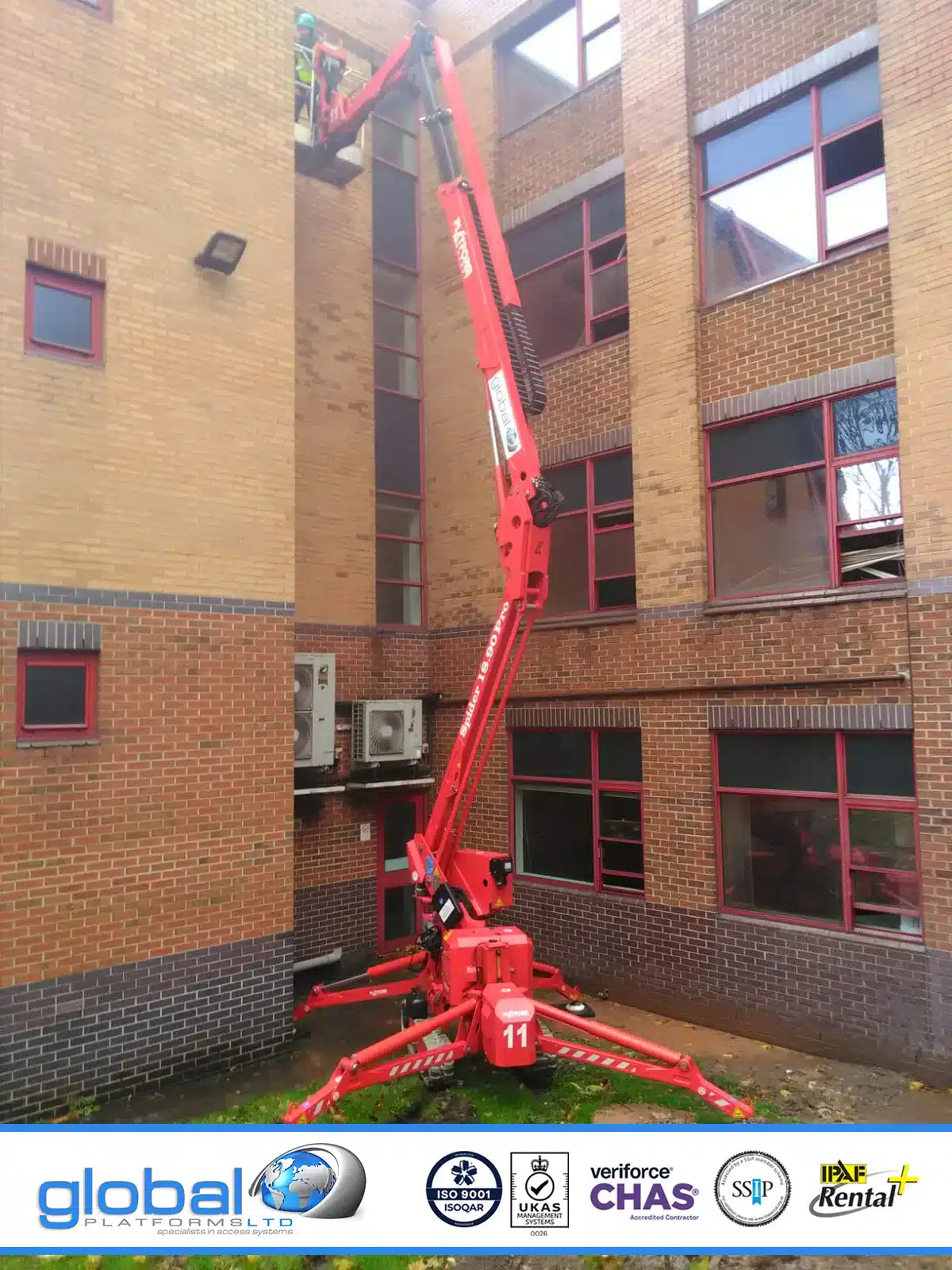
Ground Conditions for Spider Lifts: What to Check Before the Machine Arrives
Outriggers put a lot of pressure on a small area. Here is how to check the ground before a tracked spider lift arrives, including spreader pads, hidden voids and a simple checklist.
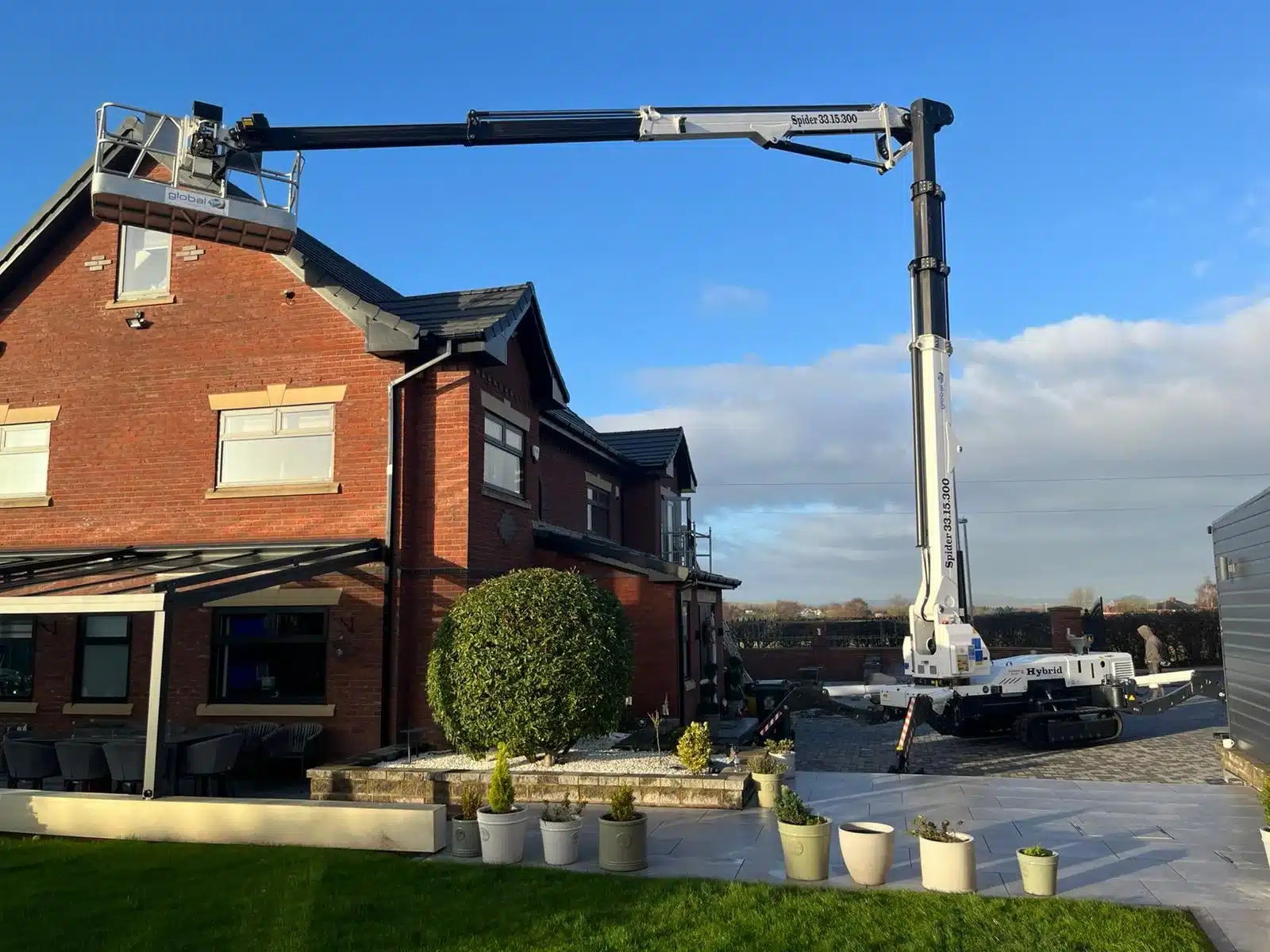
Self-Drive or Operated Spider Lift Hire: Which Is Right for Your Job?
Comparing self-drive and operated tracked spider lift hire: the training you need, who is responsible for what, and which option suits your job.

Work at Height Regulations 2005: A Practical Guide to Choosing the Right Access
A plain-English guide to the Work at Height Regulations 2005, the hierarchy of control and how it shapes the choice between bespoke platforms, spider MEWPs and scaffolding.
Case Study: Train Inspection Staging Re-engineered to Fit a One-Metre Gap
GLOBAL PLATFORMSCASE STUDY Bespoke access · Rail maintenance ClientHitachi Rail ProjectSide access paint inspection staging for Intercity Express trains LocationEastleigh, Hampshire ManufacturedOctober 2026 Trusted by Two handed units clamped end to end into one...
Our Services
Tracked Spiders
Available to rent with a wide range of sizes and specifications
Bespoke Platforms
Available to rent with a wide range of sizes and specifications
Truck Mounts
Available to rent with a wide range of sizes and specifications
Scaffolding
Available to rent with a wide range of sizes and specifications